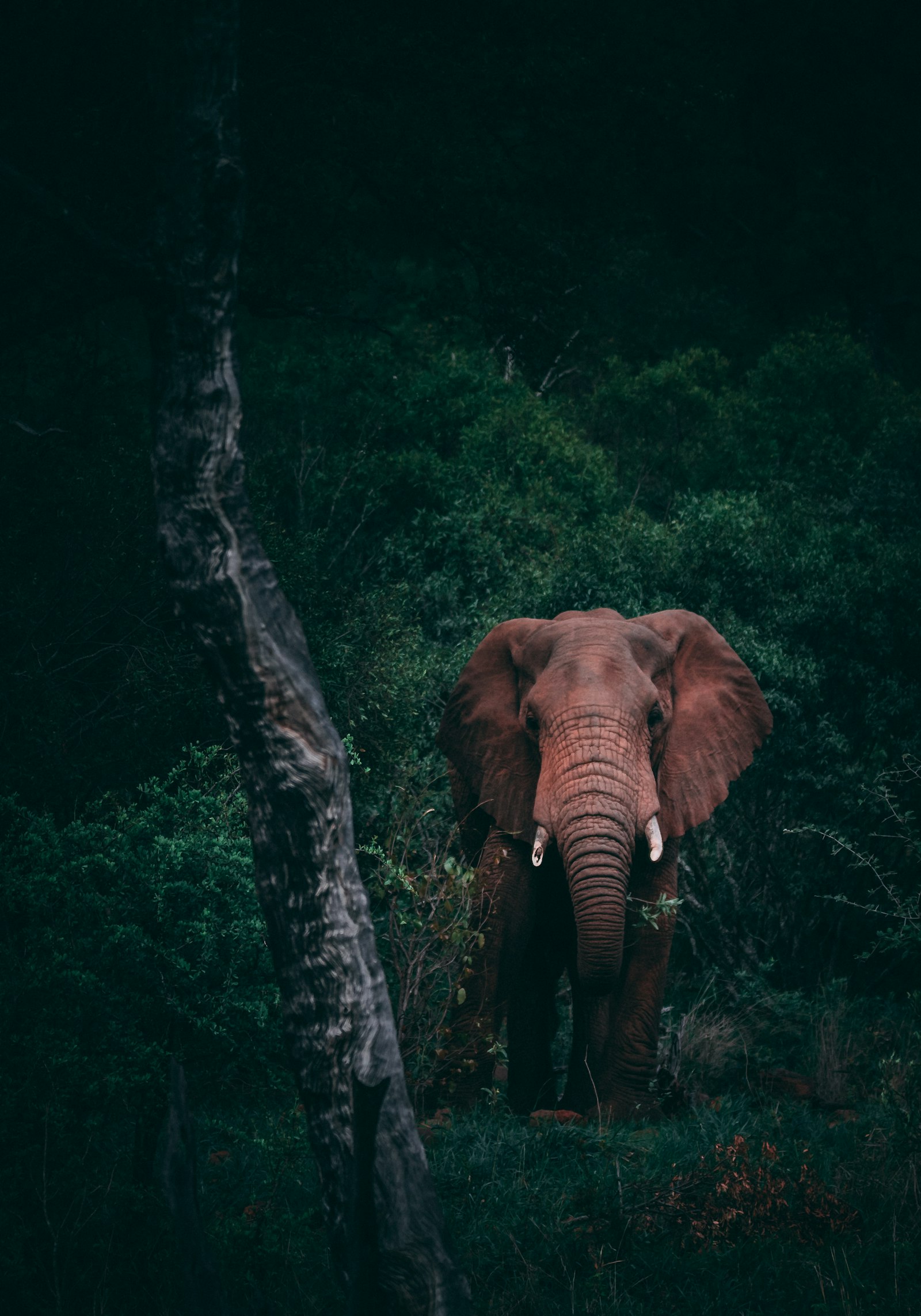
Best Time to Visit Tanzania: A Month-by-Month Guide
Tanzania is a year-round destination, but the best time for your visit depends on what you want to see and do. From the Great Migration to beach weather, each season offers unique advantages. This comprehensive guide breaks down what to expect month by month.
Understanding Tanzania's Seasons
Tanzania experiences two main seasonal patterns:
The Dry Seasons
- Long Dry Season: June to October
- Short Dry Season: January to February
The Wet Seasons
- Short Rains: November to December
- Long Rains: March to May
Month-by-Month Breakdown
January: Peak Green Season
Weather:
- Short dry spell
- Warm temperatures (25-30°C/77-86°F)
- Occasional showers
- Clear skies most days
Wildlife:
- Calving season in southern Serengeti
- Predator action peaks
- Excellent bird watching
- Baby animals everywhere
Advantages:
- Lower prices than dry season
- Fewer tourists
- Dramatic landscapes
- Outstanding photography
Best For:
- Witnessing births and predator action
- Photography enthusiasts
- Budget-conscious travelers
- Bird watchers
Zanzibar:
- Perfect beach weather
- Warm, mostly dry
- Excellent diving visibility
- Peak season for beach resorts
February: Calving Season Continues
Weather:
- Similar to January
- Warm and pleasant
- Short afternoon rains possible
- Excellent visibility
Wildlife:
- Peak calving season
- Up to 8,000 calves born daily
- Incredible predator concentrations
- Migration in southern Serengeti/Ndutu
Advantages:
- One of the best months for safari
- Fewer crowds than dry season
- Competitive pricing
- Spectacular wildlife action
Best For:
- First-time safari goers
- Wildlife photographers
- Those wanting dramatic wildlife action
- Combining with Zanzibar
March: Beginning of Long Rains
Weather:
- Rains increase
- Afternoon thunderstorms common
- Temperatures warm (26-30°C/79-86°F)
- High humidity
Wildlife:
- Migration begins moving north
- Still good game viewing
- Vegetation becoming lush
- Some dispersal of animals
Advantages:
- Lowest prices of the year
- Empty parks
- Lush, green landscapes
- Excellent for bird photography
Best For:
- Budget travelers
- Those avoiding crowds
- Bird enthusiasts
- Flexible travelers
Challenges:
- Unpredictable weather
- Some camps close
- Muddy roads possible
- Longer grass
April: Peak of Long Rains
Weather:
- Heavy rains expected
- Wettest month
- Warm temperatures
- Dramatic afternoon storms
Wildlife:
- Migration in western corridor
- Animals dispersed
- Difficult game viewing
- Excellent birding
Advantages:
- Rock-bottom prices
- Virtually empty parks
- Intense green landscapes
- Peak bird breeding season
Challenges:
- Many camps closed
- Road access difficult
- Long grass obscures animals
- Wet and muddy
Who It's For:
- Extreme budget travelers
- Bird watching specialists
- Those seeking solitude
- Photographers seeking dramatic skies
Zanzibar:
- Avoid if possible
- Heavy rains
- Some resorts closed
- Poor diving conditions
May: Tail End of Long Rains
Weather:
- Rains decreasing
- Still considerable precipitation
- Temperatures moderate
- Improving conditions
Wildlife:
- Migration in western Serengeti
- Some animals returning to usual areas
- Improving game viewing
- Excellent birding continues
Advantages:
- Very low prices
- Few tourists
- Nature at its greenest
- Good photographic light
Challenges:
- Still rainy
- Some camps closed
- Variable road conditions
- Long grass
Best For:
- Budget-focused travelers
- Those with flexible schedules
- Bird watchers
- Photography enthusiasts
June: Start of Peak Season
Weather:
- Dry season begins
- Cool mornings and evenings
- Warm, sunny days
- Minimal rain
Wildlife:
- Migration moving north
- Grumeti River crossings begin
- Excellent game viewing
- Animals concentrating at water sources
Advantages:
- Excellent wildlife viewing
- Good weather
- Reasonable prices (early June)
- Migration approaching Mara River
Best For:
- All types of safari goers
- Photography
- Comfortable weather seekers
- Value for money
Zanzibar:
- Excellent beach weather
- Warm and dry
- Good diving and snorkeling
- Increasing tourism
July: Peak Safari Season
Weather:
- Cool and dry
- Perfect safari weather
- Clear skies
- Cool mornings (15-20°C/59-68°F)
Wildlife:
- Migration in northern Serengeti
- Mara River crossings
- Excellent overall game viewing
- Animals concentrated
Advantages:
- Best wildlife viewing
- Dry conditions
- Comfortable temperatures
- Excellent photography
Challenges:
- High prices
- Crowds at popular sites
- Need advance bookings
- Busy Mara River crossing points
Best For:
- Witnessing river crossings
- First-time visitors
- Those wanting guaranteed sightings
- Willing to pay premium prices
August: Peak Season Continues
Weather:
- Similar to July
- Dry and cool
- Perfect safari conditions
- Occasional dust
Wildlife:
- Continued river crossings
- Peak predator activity
- Excellent all-around viewing
- Concentrated animal populations
Advantages:
- Spectacular wildlife viewing
- Reliable weather
- Best month for Mara River crossings
- Excellent photography opportunities
Challenges:
- Highest prices
- Maximum crowds
- Heavy booking requirements
- Busy parks
Best For:
- Those prioritizing river crossings
- Honeymooners
- Luxury safari seekers
- Special occasions
Zanzibar:
- High season continues
- Perfect beach weather
- Warm and dry
- Excellent for water sports
September: Continued Excellence
Weather:
- Dry season continues
- Warming temperatures
- Minimal rain
- Good visibility
Wildlife:
- Migration still in north
- Continued river crossings
- Excellent game viewing
- Animals concentrated
Advantages:
- Fantastic wildlife viewing
- Slightly fewer tourists than Aug
- Good weather
- Better value than July-August
Best For:
- Those seeking slightly fewer crowds
- Excellent wildlife viewing
- Good photography
- Reasonable weather
October: Late Dry Season
Weather:
- End of dry season
- Warming temperatures (25-30°C/77-86°F)
- Occasional short rains late month
- Dusty conditions
Wildlife:
- Migration begins moving south
- Still good game viewing
- Animals concentrated at remaining water
- Last chance for northern Serengeti
Advantages:
- Excellent wildlife viewing
- Fewer tourists than peak months
- Competitive prices
- Good weather early month
Challenges:
- Short rains may begin
- Dusty conditions
- Hot temperatures
- Migration leaving north
Best For:
- Value seekers
- Flexible travelers
- Those avoiding peak crowds
- General safari enthusiasts
November: Short Rains Begin
Weather:
- Short rains start
- Afternoon thunderstorms
- Warm temperatures
- Variable conditions
Wildlife:
- Migration returns south
- Animal dispersal begins
- Good game viewing early month
- Improving bird watching
Advantages:
- Lower prices
- Fewer tourists
- Landscape greening
- Migration moving south viewable
Challenges:
- Unpredictable weather
- Some afternoon rains
- Animal dispersal increasing
- Variable conditions
Best For:
- Budget-conscious travelers
- Those with flexibility
- Bird watchers
- Photographers seeking dramatic skies
Zanzibar:
- Short rains begin
- Still warm
- Good for beaches
- Occasional showers
December: Short Rains and Holidays
Weather:
- Short rains continue
- Warm and humid
- Afternoon showers common
- Green landscapes
Wildlife:
- Migration in southern Serengeti
- Herds gathering for calving
- Good game viewing
- Excellent birding
Advantages:
- Lower prices (except holidays)
- Green season beauty
- Good wildlife viewing
- Preparing for calving season
Challenges:
- Holiday crowds
- Higher prices during holidays
- Afternoon rains
- Some camps closed
Best For:
- Budget travelers (non-holidays)
- Those seeking green landscapes
- Bird enthusiasts
- Flexible schedules
Zanzibar:
- Busy during holidays
- Warm beach weather
- Short afternoon rains
- Good for diving
Special Considerations
Climbing Kilimanjaro
Best Months:
- January-March: Colder but clearer
- June-October: Warmer, busiest
Avoid:
- April-May: Heavy rains
- November: Short rains
Beach Holidays (Zanzibar, Pemba, Mafia)
Best Months:
- June-October: Dry, warm
- December-March: Hot, mostly dry
Avoid:
- April-May: Heavy rains
- November: Short rains variable
Budget Travelers
Best Value:
- March-May: Lowest prices
- November: Good deals
- Early June: Rates not yet peak
Luxury Seekers
Best Months:
- July-October: Peak service
- January-February: Exclusive camps open
Photographers
Best Light:
- Green season: Dramatic skies
- Dry season: Clear visibility
- Migration: Action shots
Making Your Decision
Questions to Ask Yourself:
-
What's your priority?
- Migration? → July-October
- Calving season? → January-February
- Budget? → March-May
- Weather? → June-October
-
What's your tolerance for:
- Rain? → Affects all seasons
- Crowds? → Peak vs green season
- Price? → Seasonal variations
- Flexibility? → Weather variability
-
What experiences do you want?
- River crossings? → July-September
- Predator action? → January-March
- Birds? → November-April
- Beaches? → June-March
Pro Tips:
- Book early: 6-12 months for peak season
- Be flexible: Month-end/beginning can differ
- Combine seasons: North dry, south green works
- Consider shoulder seasons: June and November offer value
- Weather varies: Microclimates exist within regions
The Verdict
Best Overall Months:
- July-October: Peak wildlife viewing, reliable weather
- January-February: Calving season, fewer crowds
- June: Great value, excellent wildlife
Best Budget Months:
- April: Lowest prices, wettest conditions
- May: Improving weather, low prices
- November: Variable but decent value
Best for Avoiding Crowds:
- March-May: Very few tourists
- November: Reasonable numbers
- June: Before peak crowds
Remember: There's no universally "bad" time to visit Tanzania. Each season offers unique advantages, and the "best" time depends entirely on your priorities, budget, and preferences. With proper planning and realistic expectations, Tanzania delivers incredible experiences year-round.