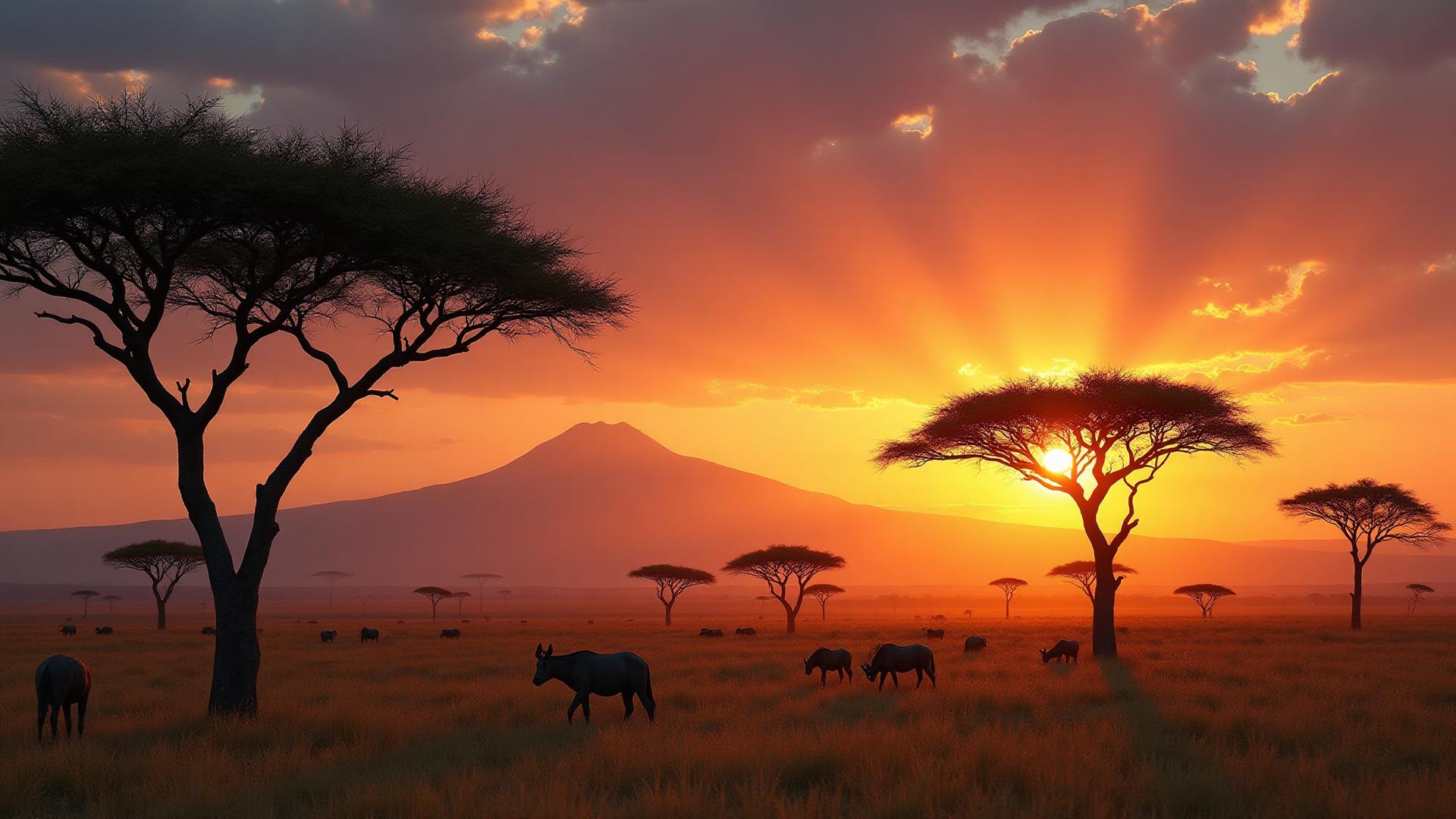
Safari Guide
Everything you need to know to prepare for your Tanzania safari adventure, from packing lists to wildlife spotting tips.
Safari Essentials
Best Time to Visit
June to October for dry season wildlife viewing, December to March for calving season.
What to Pack
Light layers, neutral colors, sun protection, binoculars, and camera equipment.
Health & Safety
Consult your doctor about vaccinations and malaria prophylaxis before travel.
Photography Tips
Early morning and late afternoon offer best light. Bring extra batteries and memory cards.
Safari Etiquette
Respect wildlife, stay quiet, follow guide instructions, and maintain safe distances.
Plan Your Route
Combine multiple parks and reserves for diverse wildlife experiences and landscapes.
Wildlife Viewing Guide
Tanzania is home to an incredible diversity of wildlife. Here's what makes each season special.
Dry Season (June - October)
• Easier wildlife spotting with less vegetation
• Animals gather at water sources
• Great Migration river crossings
• Cooler temperatures for comfortable game drives
• Peak season with more visitors
Wet Season (November - May)
• Lush, green landscapes perfect for photography
• Calving season with baby animals
• Excellent bird watching opportunities
• Fewer tourists, more intimate experience
• Lower rates and better availability
Frequently Asked Questions
Complete Packing List
Everything you need to pack for a comfortable and successful safari adventure.
Clothing
- •Lightweight, breathable long-sleeved shirts (khaki, olive, or neutral colors)
- •Comfortable trousers/pants (avoid shorts for sun protection)
- •Wide-brimmed hat or cap with neck protection
- •Fleece or light jacket for early morning drives
- •Comfortable walking shoes and sandals
- •Swimwear for lodge pools
- •Sleepwear and underwear (quick-dry materials)
Equipment
- •Binoculars (8x or 10x magnification recommended)
- •Camera with telephoto lens (300mm+)
- •Extra camera batteries and memory cards
- •Portable charger/power bank
- •Headlamp or flashlight
- •Daypack for game drives
Health Essentials
- •Sunscreen (SPF 50+)
- •Insect repellent with DEET
- •Sunglasses with UV protection
- •Lip balm with SPF
- •Personal medications
- •Basic first aid kit
- •Hand sanitizer and wet wipes
- •Reusable water bottle
Documents
- •Passport (valid 6+ months)
- •Visa (if required)
- •Travel insurance documents
- •Vaccination certificates
- •Booking confirmations
- •Emergency contact information
- •Copy of important documents (stored separately)
Wildlife Species Guide
Your guide to Tanzania's incredible wildlife and where to find them.
The Big Five
African Lion
Best Location: Serengeti, Ngorongoro Crater
Best Season: Year-round, especially dry season
African Elephant
Best Location: Tarangire, Serengeti
Best Season: Year-round, large herds in dry season
Cape Buffalo
Best Location: All major parks
Best Season: Year-round
African Leopard
Best Location: Serengeti, Lake Manyara
Best Season: Year-round (elusive)
Black Rhinoceros
Best Location: Ngorongoro Crater
Best Season: Year-round (rare)
Predators
Cheetah
Best Location: Serengeti Plains
Best Season: December-March
Spotted Hyena
Best Location: All major parks
Best Season: Year-round
African Wild Dog
Best Location: Selous, Ruaha
Best Season: June-October (rare)
Herbivores
Wildebeest
Best Location: Serengeti (Migration)
Best Season: December-July
Zebra
Best Location: All major parks
Best Season: Year-round
Giraffe
Best Location: Tarangire, Serengeti
Best Season: Year-round
Hippopotamus
Best Location: Serengeti, Selous
Best Season: Year-round
Impala
Best Location: All parks
Best Season: Year-round
Birds
African Fish Eagle
Best Location: Lakes and rivers
Best Season: Year-round
Secretary Bird
Best Location: Serengeti grasslands
Best Season: Year-round
Flamingo
Best Location: Lake Manyara, Ngorongoro
Best Season: Wet season
Ostrich
Best Location: Open plains
Best Season: Year-round
Safari Photography Guide
Master the art of wildlife photography with these expert tips and techniques.
Camera Settings
- •Use shutter priority mode (1/500s minimum for wildlife)
- •ISO 400-800 during golden hours, up to 1600+ in shade
- •Aperture f/5.6-f/8 for sharp subjects with background blur
- •Shoot in RAW format for maximum editing flexibility
Lighting & Timing
- •Golden hours: 6-9am and 4-7pm for best light
- •Avoid midday harsh shadows (11am-3pm)
- •Overcast days great for even lighting
- •Backlit subjects can create dramatic silhouettes
Composition
- •Follow the rule of thirds for balanced shots
- •Get eye-level with your subject when possible
- •Include environmental context in wide shots
- •Capture behavior and interactions, not just portraits
Equipment Care
- •Keep equipment in sealed bags to prevent dust
- •Bring lens cleaning kit (blower, cloths)
- •Protect from sudden temperature changes
- •Use beanbag for camera stability in vehicles
Safety Guidelines
Essential safety information to ensure a secure and enjoyable safari experience.
Before Your Trip
- •Consult travel medicine specialist 6-8 weeks before departure
- •Get required vaccinations (Yellow Fever if from endemic areas)
- •Start malaria prophylaxis as prescribed
- •Purchase comprehensive travel insurance with medical evacuation
- •Register with your embassy
- •Prepare copies of all important documents
During Game Drives
- •Always stay inside the vehicle unless guide says it's safe
- •Keep noise to minimum - don't shout or make sudden movements
- •Never feed or attempt to touch wild animals
- •Respect animal right-of-way on roads
- •Follow guide instructions immediately and without question
- •Keep arms and head inside vehicle at all times
Health Precautions
- •Drink only bottled or purified water
- •Use insect repellent consistently, especially dawn/dusk
- •Wear long sleeves and pants during high mosquito activity
- •Apply sunscreen every 2 hours
- •Stay hydrated - drink 3-4 liters of water daily
- •Wash hands frequently or use sanitizer
At Camps & Lodges
- •Never walk alone at night - always request escort
- •Keep tent zipped at all times
- •Don't leave food or scented items in tent
- •Use provided mosquito netting while sleeping
- •Keep flashlight/headlamp readily accessible
- •Report any wildlife near accommodation to staff
Typical Safari Day
What to expect during a typical day on safari.
Wake-Up Call
Light breakfast or coffee before early morning game drive
Morning Game Drive
Best time for wildlife viewing as animals are most active
Bush Breakfast
Full breakfast in the bush or return to lodge
Midday Rest
Relax at lodge during peak heat, enjoy pool or spa
Afternoon Tea
Light snacks before afternoon adventure
Afternoon Game Drive
Head out for evening wildlife viewing
Sundowner
Stop for drinks and snacks while watching sunset
Dinner
Return to lodge for dinner under the stars