Destination Guide
Katavi National Park
Tanzania's most remote major park offers massive buffalo herds, hippo pools, and untouched wilderness for adventurous safari seekers.
Overview
Why travel to Katavi National Park
A practical destination view to help you decide how this park fits your overall route.
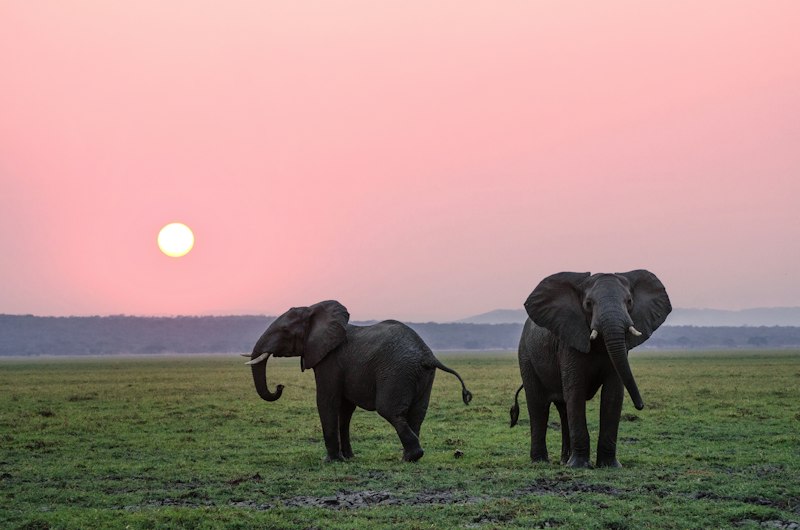
Katavi National Park represents Tanzania's last great wilderness frontier - a vast, remote savanna ecosystem seeing fewer than 1,000 visitors annually. This extreme remoteness preserves an Africa increasingly rare elsewhere: massive herds, minimal human impact, and wildlife behaving naturally without habituation to tourist vehicles.
During the dry season, Katavi's seasonal lakes - Katavi and Chada - shrink dramatically, concentrating wildlife in astonishing numbers. Hippo pools can contain 200+ individuals crammed into shrinking waters, creating incredible viewing opportunities and intense dominance displays as space becomes limited.
The park's buffalo herds rank among Africa's largest, with congregations numbering thousands of individuals blackening the plains. These massive herds attract substantial predator populations, particularly lions that specialize in buffalo hunting - witnessing these hunts provides unforgettable safari moments.
Katavi's isolation demands commitment - expensive flights and limited accommodation keep visitor numbers low. However, those making the journey experience rewards proportional to the effort: private sightings of massive herds, predators unaffected by vehicles, and landscapes untouched by mass tourism.
Best Time
Seasonality and conditions
Dry Season (June - October)
Typical temperature: 18-32°C
Peak safari season with spectacular wildlife concentrations. Hippo pools at their most crowded, buffalo herds at peak numbers, predators highly visible.
- Massive animal concentrations
- Best predator viewing
- Hippo spectacle
- Guaranteed wildlife
Wet Season (November - May)
Typical temperature: 22-35°C
Park often closed or very difficult to access. Wildlife disperses. Not recommended except for serious adventure travelers.
- Ultimate solitude
- Green landscapes
- Birding
- Lowest prices
Wildlife
Species and viewing context
Buffalo
Katavi hosts Tanzania's largest buffalo population with herds numbering thousands. September-October see mega-herds forming.
Hippos
Dramatic dry season concentrations with 200+ hippos crammed into shrinking pools. Intense territorial displays and fighting common.
Predators
Healthy predator populations specializing in buffalo hunting. Lions form large prides. Wild dogs seasonally present.
Other Wildlife
Diverse wildlife including rare species like roan antelope and puku found in few other Tanzanian parks.
Activities
What to do while there
Game Drives
Duration: 3-4 hours
Morning and afternoon drives across pristine wilderness seeking massive buffalo herds, crowded hippo pools, and hunting predators. Private sightings guaranteed.
Includes: 4x4 vehicle, expert guide, park fees
Walking Safaris
Duration: 2-4 hours
Guided walks with armed rangers through untouched bush, tracking wildlife and experiencing Africa's wilderness on foot.
Includes: Armed rangers, guide, park fees
Fly Camping
Duration: 1-2 nights
Sleep under stars in temporary bush camps far from permanent lodges. Ultimate wilderness immersion with basic facilities and armed protection.
Includes: Camping equipment, meals, guides, security
Night Drives
Duration: 2-3 hours
Search for nocturnal species and witness predators hunting under spotlight. Exceptional for leopards and hyenas.
Includes: Spotlight, guide, park fees
Practical Info
Planning notes before you go
Getting There
Charter flights from Arusha (3 hours) or Dar es Salaam (2.5 hours) to Katavi airstrip. Road access extremely challenging and time-consuming (2+ days from Dar). Flying essential.
Park Fees
Adults: $30 per person per day. Children (5-15): $10 per day. Excellent value given exclusivity and wilderness quality.
When to Visit
June-October only practical season. September-October best for maximum wildlife concentrations. Park may be inaccessible November-May due to rains and road conditions.
What Makes Katavi Special
Extreme remoteness ensures private wildlife experiences, massive herds rival anything in Africa, pristine wilderness without tourist infrastructure, authentic Africa of decades past.
Planning Considerations
Expensive flights, limited accommodation, seasonal access only, requires flexible schedule. Best combined with Mahale Mountains for chimp trekking. Plan 3-4 nights minimum.