Destination Guide
Mikumi National Park
Tanzania's fourth-largest national park offering excellent wildlife viewing along the main highway from Dar es Salaam. Known for its open horizons and abundant wildlife similar to the Serengeti.
Overview
Why travel to Mikumi National Park
A practical destination view to help you decide how this park fits your overall route.
Mikumi National Park covers 3,230 square kilometers of the Mkata River floodplain and surrounding mountain ranges in southern Tanzania. As part of the greater Selous-Nyerere ecosystem, it offers remarkable wildlife diversity and is Tanzania's most accessible southern park.
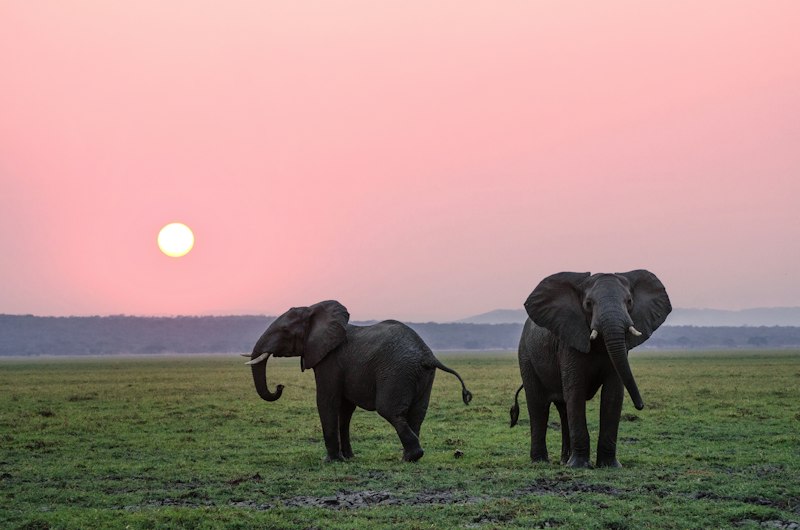
The park's centerpiece is the Mkata Floodplain, a vast grassland basin bordered by mountain ranges creating scenery reminiscent of the Serengeti. The Tanzam Highway bisects the park, making wildlife viewing possible even while traveling through, though proper game drives reveal much more.
Mikumi supports healthy populations of elephants, buffaloes, giraffes, zebras, wildebeests, and various antelope species. Lions and spotted hyenas are commonly seen, while wild dogs and leopards, though present, require more luck to spot. The birdlife is exceptional with over 400 recorded species.
The park serves as an excellent standalone destination or stopover between Dar es Salaam and the southern parks (Ruaha, Nyerere). Its proximity to Dar es Salaam (4 hours) makes it perfect for weekend safaris or as an introduction to Tanzania's wildlife for time-limited visitors.
Best Time
Seasonality and conditions
Dry Season (June - October)
Typical temperature: 18-28°C
Best wildlife viewing as animals concentrate around water sources. Clear skies, comfortable temperatures, and excellent game drives on the Mkata Floodplain.
- Best game viewing
- Clear visibility
- Comfortable weather
- Easy road access
- Large elephant herds
Short Dry (January - February)
Typical temperature: 20-30°C
Pleasant weather between rainy seasons. Good wildlife viewing with fewer tourists. Green landscapes still present from short rains.
- Fewer visitors
- Pleasant temperatures
- Good game viewing
- Lush scenery
- Lower prices
Wet Season (November - April)
Typical temperature: 22-32°C
Green season with migratory birds and newborn animals. Some roads challenging but main areas accessible. Best for birding and photography.
- Best birding
- Baby animals
- Dramatic skies
- Lowest prices
- Lush vegetation
Wildlife
Species and viewing context
Big Game
Four of the Big Five present (no rhino). Large elephant herds frequently seen. Wild dogs occasionally spotted (rare and endangered).
Herbivores
Diverse antelope populations including the magnificent greater kudu and rare sable antelope. Large zebra and wildebeest concentrations on floodplain.
Birds
Over 400 bird species recorded. Excellent for both resident species and seasonal migrants. Hippo pools attract diverse waterbirds.
Reptiles & Others
Healthy crocodile and hippo populations in rivers and pools. Common primate sightings near forested areas and water sources.
Activities
What to do while there
Mkata Floodplain Game Drives
Duration: 3-4 hours
Explore the park's crown jewel—vast open plains with mountain backdrop. Excellent for elephants, buffaloes, giraffes, and predators. Similar scenery to Serengeti.
Includes: 4x4 vehicle, driver-guide, park fees
Morning & Sunset Drives
Duration: 2-3 hours each
Early morning drives for optimal animal activity and photography light. Sunset drives offer magical golden hour lighting over the floodplain.
Includes: Professional guide, sundowner drinks (sunset), refreshments
Hippo Pool Visits
Duration: 1-2 hours
Visit pools where large hippo pods spend their days. Excellent for crocodiles, waterbirds, and observing hippo social behavior.
Includes: Guide, viewing platform access
Walking Safaris
Duration: 2-3 hours
Guided walks in designated areas with armed ranger. Focus on smaller creatures, tracks, plants, and ecosystems often missed from vehicles.
Includes: Armed ranger, guide, walking permits
Bird Watching
Duration: Half to full day
Specialized birding safaris targeting Mikumi's 400+ species. Particularly excellent during European winter when migrants are present.
Includes: Expert birding guide, bird checklist
Combined Safari Circuits
Duration: Multi-day
Combine Mikumi with nearby Udzungwa Mountains (primates, hiking) or continue south to Ruaha and Nyerere for extended southern circuit safari.
Includes: Customizable itinerary, multiple parks
Practical Info
Planning notes before you go
Getting There
283km from Dar es Salaam (4-5 hours by road). Well-maintained Tanzam Highway passes through park. Alternatively, fly to Mikumi airstrip (charter flights). Easy access makes it perfect for weekend safaris.
Park Fees
Adults: $30 per person per day. Children (5-15): $10 per day. Very affordable compared to northern circuit parks. Vehicle fees additional.
When to Visit
Year-round destination. Dry season (June-October) best for wildlife. Wet season excellent for birds and scenery. Easily accessible even during rains (main roads remain passable).
Safari Duration
Minimum 2 days recommended for proper exploration. Easily combined with Udzungwa Mountains (2 hours away) for 3-4 day trip. Can stopover en route to southern parks.
Park Circuit
Main circuit around Mkata Floodplain takes 3-4 hours at leisurely pace. Northern areas and Ikoya area offer alternative routes. Park is large enough for multiple days of exploration.