Destination Guide
Ruaha National Park
Tanzania's largest national park offers remote wilderness, massive elephant herds, and exceptional predator concentrations in an untouched African landscape.
Overview
Why travel to Ruaha National Park
A practical destination view to help you decide how this park fits your overall route.
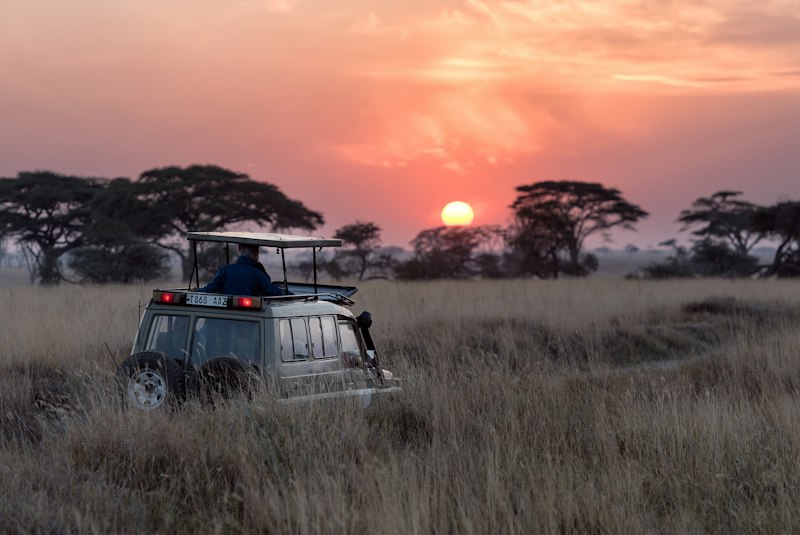
Ruaha National Park, Tanzania's largest, spans a staggering 20,226 square kilometers of pristine wilderness in the country's heartland. This remote park sees far fewer visitors than northern circuit destinations, offering those who venture here an authentic, untouched safari experience reminiscent of Africa decades ago.
The Great Ruaha River forms the park's lifeline, sustaining incredible wildlife concentrations during the dry season. Ruaha protects one of Tanzania's most significant elephant populations, with estimates suggesting 12,000 individuals - you'll often encounter super-herds numbering hundreds of elephants.
Predator enthusiasts rate Ruaha among Africa's finest destinations. The park hosts exceptional lion prides (10% of Tanzania's total population), substantial leopard numbers, significant cheetah populations, and rare African wild dog packs. This concentration creates unparalleled opportunities for observing predator-prey dynamics.
Ruaha sits at the transition zone between Eastern and Southern African biomes, creating unique biodiversity. Species found nowhere else in Tanzania thrive here, including greater and lesser kudu, sable and roan antelope, and over 570 bird species including endemics.
Best Time
Seasonality and conditions
Dry Season (May - December)
Typical temperature: 18-33°C
Prime safari season with animals concentrated along the Ruaha River. Exceptional predator sightings and elephant congregations.
- Best wildlife viewing
- Excellent predator sightings
- Clear weather
- River scenes
Wet Season (January - April)
Typical temperature: 22-35°C
Park closes during heavy rains (March-April). January-February offers lush scenery, birding, and dramatic skies for photography.
- Incredible birding
- Lush landscapes
- Fewer visitors
- Dramatic weather
Wildlife
Species and viewing context
Elephants
One of Tanzania's most important elephant sanctuaries with approximately 12,000 elephants. Super-herds of 100+ regularly observed.
Predators
Exceptional predator diversity and density. Home to 10% of Tanzania's lion population and significant wild dog packs.
Rare Antelope
Unique species found nowhere else in Tanzania. Transition zone supports both Eastern and Southern African species.
Birds
Over 570 recorded species including Tanzania endemics. One of Africa's premier birding destinations.
Activities
What to do while there
Game Drives
Duration: 3-4 hours
Morning and afternoon drives exploring diverse habitats. Focus on predators, elephants, and rare antelope species unique to Ruaha.
Includes: 4x4 vehicle, expert guide, park fees
Walking Safaris
Duration: 2-4 hours
Guided bush walks with armed rangers offer intimate wildlife encounters and focus on tracking, ecology, and smaller creatures.
Includes: Armed ranger, guide, park fees
Night Game Drives
Duration: 2-3 hours
Search for nocturnal species including leopards, hyenas, genets, civets, and bush babies. Excellent for predators hunting.
Includes: Spotlight equipment, guide, park fees
Bird Watching Expeditions
Duration: Half to full day
Target endemic and rare species across Ruaha's diverse habitats with specialized birding guides.
Includes: Birding guide, species lists, prime locations
Fly Camping
Duration: 1-2 nights
Sleep under stars in simple bush camps deep in wilderness areas, far from permanent lodges. Ultimate safari experience.
Includes: Basic camping gear, meals, guides, armed guards
Practical Info
Planning notes before you go
Getting There
Fly from Dar es Salaam (2.5 hours) or Arusha (3 hours) to Msembe airstrip. Road access possible but challenging (10+ hours from Iringa). Most visitors fly.
Park Fees
Adults: $30 per person per day. Children (5-15): $10 per day. Significantly lower than northern parks, offering excellent value for remote wilderness.
Best Time to Visit
June-November optimal. Park closes March-April for heavy rains. May and December good for fewer crowds. January-February for birding enthusiasts.
What to Bring
Neutral clothing, sun protection, binoculars essential for birding, camera with good telephoto, insect repellent, warm layer for mornings/evenings.
Why Visit Ruaha
Remote wilderness with minimal tourist pressure, exceptional predator viewing, unique species not found elsewhere, authentic safari experience, excellent value compared to northern parks.