Destination Guide
Serengeti National Park
Home to the Great Migration, the Serengeti offers unparalleled wildlife viewing opportunities with vast plains teeming with lions, elephants, and wildebeest.
Overview
Why travel to Serengeti National Park
A practical destination view to help you decide how this park fits your overall route.
The name 'Serengeti' comes from the Maasai word 'Siringet,' meaning 'the place where the land runs on forever.' This vast ecosystem is one of the oldest and most scientifically significant on Earth, with evidence of human habitation dating back over 2 million years.
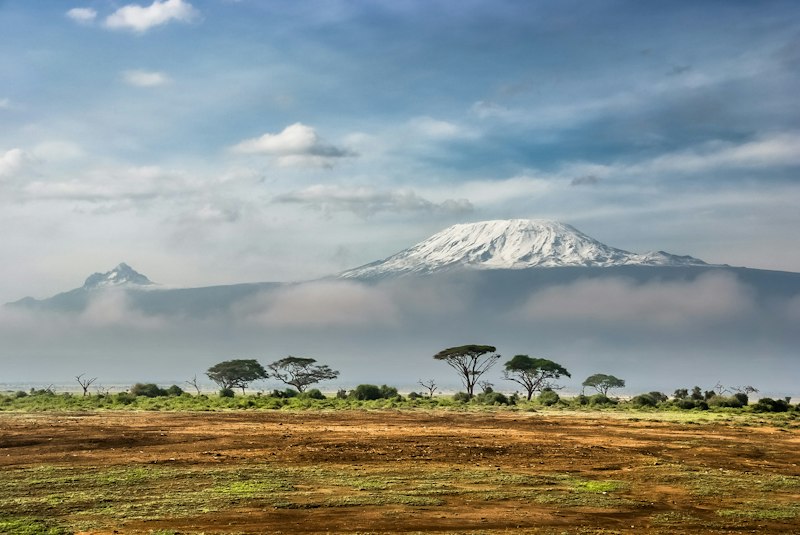
The park is characterized by endless grassy plains in the south, savanna with scattered acacia trees in the center, hilly, wooded grassland in the north, and extensive woodland and black clay plains to the west. This diversity of landscapes supports an incredible variety of wildlife and makes every safari unique.
Beyond the famous Great Migration, Serengeti is home to the 'Big Five' and hosts one of the largest and most diverse predator populations in Africa. The park's ecosystem supports over 70 large mammal species and 500 bird species, making it a paradise for wildlife enthusiasts and photographers.
As a UNESCO World Heritage Site and one of the Seven Natural Wonders of Africa, Serengeti represents one of the planet's last great wildlife strongholds. Conservation efforts here not only protect the animals but also support surrounding communities and preserve traditional Maasai lands.
Best Time
Seasonality and conditions
Dry Season (June - October)
Typical temperature: 15-27°C
Peak wildlife viewing season with excellent game drives. Animals congregate around water sources, making them easier to spot.
- Best wildlife viewing
- Clear skies
- Comfortable temperatures
- Great Migration passage
Short Rains (November - December)
Typical temperature: 18-28°C
Beautiful green landscapes with fewer tourists. Good wildlife viewing continues with pleasant weather.
- Fewer crowds
- Lower prices
- Lush scenery
- Excellent bird watching
Long Rains (March - May)
Typical temperature: 17-26°C
Quietest season with dramatic landscapes and abundant birdlife. Some camps close during this period.
- Best prices
- Dramatic skies
- Peak birding season
- Calving season
Wildlife
Species and viewing context
The Big Five
Serengeti is one of the best places in Africa to see all of the Big Five in their natural habitat.
Predators
Home to the highest concentration of large predators in Africa, including over 3,000 lions.
Herbivores
Over 1.5 million wildebeest and 200,000 zebras migrate through Serengeti annually.
Primates & Others
Diverse species including the iconic Maasai giraffe and large hippo populations.
Regions
Which area suits your trip style
Seronera Valley (Central Serengeti)
Features: Year-round wildlife viewing, big cat territory, kopjes (rock outcrops)
Best for: Lion prides, leopards in trees, resident wildlife
Access: Excellent - well-maintained roads
Western Corridor
Features: River crossings, forested areas, permanent water sources
Best for: Great Migration (June-July), crocodiles, hippos
Access: Good - seasonal challenges during rains
Northern Serengeti
Features: Mara River, dramatic landscapes, remote wilderness
Best for: River crossings (July-October), fewer crowds
Access: Moderate - remote location
Southern Plains
Features: Endless grasslands, calving grounds, volcanic soil
Best for: Migration calving (January-March), cheetah sightings
Access: Excellent - open terrain
Activities
What to do while there
Classic Game Drives
Duration: 3-4 hours
Morning and afternoon drives in 4x4 safari vehicles with pop-up roofs for optimal wildlife viewing and photography.
Includes: Expert guide, park fees, refreshments
Hot Air Balloon Safari
Duration: 3-4 hours
Float silently over the Serengeti at dawn, witnessing the wildlife awakening below. Includes champagne breakfast in the bush.
Includes: Flight, champagne breakfast, certificate
Walking Safari
Duration: 2-3 hours
Guided walking experience in designated areas with armed rangers, focusing on tracking, ecology, and smaller wildlife.
Includes: Armed ranger, guide, park fees
Cultural Village Visit
Duration: 2-3 hours
Visit traditional Maasai villages to learn about their culture, traditions, and harmonious coexistence with wildlife.
Includes: Village fees, interpreter, cultural activities
Night Game Drive
Duration: 2-3 hours
Special nocturnal safari to spot elusive creatures like leopards, hyenas, genets, and bush babies after dark.
Includes: Spotlight equipment, guide, refreshments
Photography Safari
Duration: Full day
Specialized safari designed for photographers with expert guides who understand lighting, composition, and animal behavior.
Includes: Extended hours, prime locations, expert guidance
Practical Info
Planning notes before you go
Getting There
Fly to Kilimanjaro International Airport (JRO) or Arusha Airport (ARK). From Arusha, it's a 6-7 hour drive or a short flight to Serengeti airstrips (Seronera, Kogatende, etc.).
Park Fees
Adults: $70 per person per day. Children (5-15): $20 per person per day. Vehicle fees apply. Valid for 24 hours from entry time.
What to Pack
Neutral-colored clothing (khaki, olive, brown), sun protection, binoculars, camera with zoom lens, insect repellent, layers for cool mornings, comfortable walking shoes.
Health & Safety
Malaria prophylaxis recommended. Yellow fever certificate required if coming from endemic countries. Travel insurance essential. Follow guide instructions at all times.
Conservation
Serengeti is a UNESCO World Heritage Site. Practice responsible tourism: maintain distance from animals, no littering, respect park rules, support local communities.