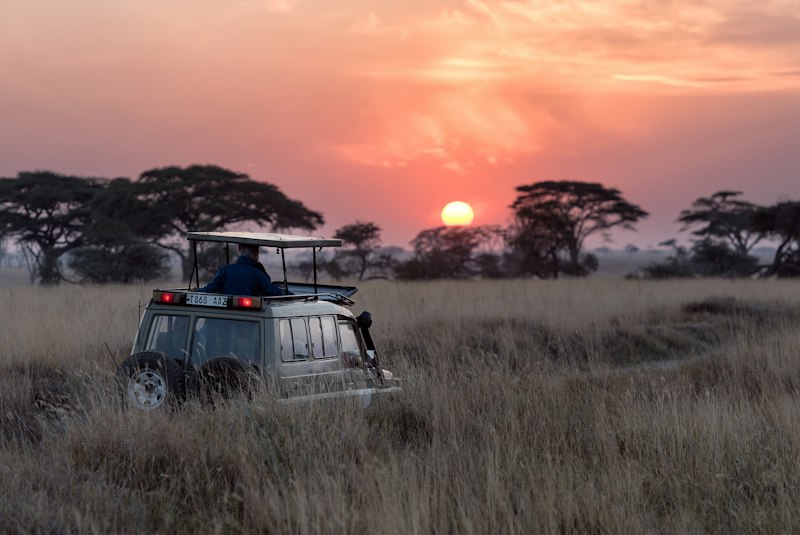
Safari Detail
Kilimanjaro Machame Route
Conquer Africa's highest peak via the scenic Machame Route, known as the 'Whiskey Route' for its challenging terrain.
Highlights
What makes this itinerary special
A focused route built around wildlife density, practical pacing, and lodge quality.
Summit Uhuru Peak at 5,895m
Trek through 5 climate zones
Experience the Barranco Wall
Witness stunning glaciers
Certificate of achievement
Itinerary
Day-by-day safari flow
Day 1: Arrival in Moshi
Arrive at Kilimanjaro International Airport and transfer to your hotel in Moshi. Meet your climbing team and attend a detailed briefing about the trek. Equipment check and final preparations. Moshi town sits at the base of Kilimanjaro and offers views of the mountain on clear days.
Meals: Dinner
Stay: Springlands Hotel Moshi
Day 2: Machame Gate to Machame Camp
Drive to Machame Gate (1,800m) for registration. Begin your trek through the montane rainforest, rich with vegetation and wildlife. The trail can be muddy and slippery. After 5-7 hours of hiking, arrive at Machame Camp (3,000m) where you'll enjoy your first night on the mountain.
Meals: Breakfast, Lunch, Dinner
Stay: Machame Camp (camping)
Day 3: Machame Camp to Shira Camp
Continue ascending through the forest into the moorland zone. The path is steep initially but levels out as you approach Shira Plateau. Cross streams and enjoy spectacular views. Arrive at Shira Camp (3,840m) after 4-6 hours. Acclimatization is key at this altitude.
Meals: Breakfast, Lunch, Dinner
Stay: Shira Camp (camping)
Day 4: Shira Camp to Barranco Camp via Lava Tower
A crucial acclimatization day. Hike east toward Lava Tower (4,600m), then descend to Barranco Camp (3,960m). This 'climb high, sleep low' strategy helps your body adapt. The trek takes 6-8 hours through the alpine desert zone with stunning volcanic formations.
Meals: Breakfast, Lunch, Dinner
Stay: Barranco Camp (camping)
Day 5: Barranco Camp to Karanga Camp
Begin with the famous Barranco Wall climb—a thrilling scramble requiring hands and feet. Despite its intimidating appearance, it's non-technical but exhilarating. Continue across ridges and valleys to Karanga Camp (4,035m). The 4-5 hour trek includes spectacular views of the southern glaciers.
Meals: Breakfast, Lunch, Dinner
Stay: Karanga Camp (camping)
Day 6: Karanga Camp to Barafu Camp
A shorter but steep day to Barafu Camp (4,673m), your base for the summit attempt. The landscape becomes increasingly barren. After 4-5 hours, arrive at camp. Rest, eat an early dinner, and prepare for the midnight summit push. Try to sleep for a few hours before your summit attempt.
Meals: Breakfast, Lunch, Dinner
Stay: Barafu Camp (camping)
Day 7: Summit Day - Barafu to Uhuru Peak to Mweka Camp
Start around midnight for the summit push. Trek through darkness using headlamps to Stella Point (5,756m) on the crater rim, then continue to Uhuru Peak (5,895m), the highest point in Africa. Watch the sunrise from the summit. After photos and celebration, descend to Barafu for rest, then continue to Mweka Camp (3,080m). Total trekking time: 12-16 hours.
Meals: Breakfast, Lunch, Dinner
Stay: Mweka Camp (camping)
Day 8: Mweka Camp to Mweka Gate - Return to Moshi
Final descent through the rainforest to Mweka Gate (1,640m), taking 3-4 hours. Collect your summit certificate at the gate. Transfer back to Moshi for a well-deserved hot shower and celebration dinner. Overnight at your hotel.
Meals: Breakfast, Lunch, Dinner
Stay: Springlands Hotel Moshi
Seasonality
Best time to travel
Dry Season
January-March & June-October
- Best weather conditions with clear skies
- Lower precipitation reduces trail difficulty
- Better summit success rates
- Excellent visibility for photography
Green Season
April-May & November-December
- Fewer climbers on the mountain
- Lower prices
- Lush vegetation in lower zones
- Possible but requires flexibility for weather
Accommodation
Where you stay
Springlands Hotel Moshi
Nights 1 & 8
Comfortable hotel in Moshi with swimming pool, restaurant, and mountain views.
Mountain Camps
Nights 2-7
Quality camping with mess tents, dining facilities, and toilet tents at each camp.
Included vs Excluded
Know exactly what is covered
Included
- Airport transfers
- Pre and post-trek accommodation
- All meals on the mountain
- Professional mountain guides
- Porters and cook
- All park fees and camping fees
- Rescue fees
- Quality camping equipment
- Sleeping mattress
- Summit certificate
- Pulse oximeter
- First aid kit
Excluded
- International flights
- Visa fees
- Travel insurance
- Personal trekking gear
- Sleeping bag
- Tips for guides and porters
- Personal expenses
- Meals in Moshi
- Alcoholic beverages
Preparation
Packing and safety notes
Clothing
- Moisture-wicking base layers
- Insulated jacket (down or synthetic)
- Waterproof jacket and pants
- Fleece mid-layer
- Thermal underwear
- Hiking pants and shorts
- Warm hat and sun hat
- Gloves (light and heavy)
- Hiking boots (broken in)
- Camp shoes
Equipment
- Sleeping bag (-10°C rating)
- Trekking poles
- Headlamp with extra batteries
- Water bottles (3 liters capacity)
- Daypack (30-40L)
- Sunglasses (UV protection)
- Camera
- Dry bags
Health
- Diamox for altitude sickness
- Personal medications
- Sunscreen (SPF 50+)
- Lip balm with SPF
- Hand sanitizer
- Wet wipes
- Blister treatment
- Pain relievers
Vaccinations
- Yellow fever certificate required
- Hepatitis A recommended
- Typhoid recommended
- Tetanus up to date
Safety
- Follow guide's pace (pole pole - slowly slowly)
- Stay hydrated (3-4 liters per day)
- Inform guides of any symptoms immediately
- Acclimatize properly at each camp
- Never summit if experiencing severe altitude sickness
Insurance
- Travel insurance with high-altitude trekking coverage mandatory
- Must cover evacuation up to 6,000m
- Medical coverage essential
- Rescue insurance included in package