The Great Migration: Nature's Most Spectacular Wildlife Show
The Great Migration is often described as the "World Cup of Wildlife" - and for good reason. This annual movement of over 1.5 million wildebeest, accompanied by hundreds of thousands of zebras and gazelles, is one of the most breathtaking natural spectacles on Earth.
Understanding the Migration Cycle
The Great Migration is a year-round event, with different stages occurring in different locations throughout the Serengeti-Mara ecosystem. The cycle follows the rains and the growth of fresh grass, creating a clockwise movement through Tanzania's Serengeti National Park and Kenya's Maasai Mara.
January to March: Calving Season in Southern Serengeti
The year begins with the calving season in the southern Serengeti plains, near the Ngorongoro Conservation Area. During these months, approximately 8,000 wildebeest calves are born every single day. This abundance of vulnerable young attracts predators, making it an exceptional time for witnessing dramatic predator-prey interactions.
April to May: The Western Movement
As the southern plains dry up, the herds begin their journey northwest toward the Western Corridor. The migration becomes more dispersed during this period, with herds spreading across the western Serengeti. This is when the first river crossings occur at the Grumeti River, though these are generally less dramatic than the later Mara River crossings.
June to July: The Grumeti River Crossings
The Western Corridor sees intense action as hundreds of thousands of wildebeest prepare to cross the crocodile-infested Grumeti River. While not as famous as the Mara crossings, these river crossings are equally dramatic and significantly less crowded with safari vehicles.
August to October: The Mara River Drama
This is arguably the most spectacular phase of the Great Migration. The herds must cross the mighty Mara River, where massive Nile crocodiles await. The crossing points become theaters of survival, with wildebeest plunging from high banks into crocodile-infested waters. The courage and chaos of these crossings draw wildlife enthusiasts from around the globe.
November to December: The Return Journey
As the short rains begin in November, the herds start their journey back south, moving through the eastern Serengeti. By December, they're heading back toward the southern plains, completing the cycle and preparing for the next calving season.
Planning Your Migration Safari
Best Time to Visit:
- January-March: For calving season and predator action
- June-July: For Grumeti River crossings with fewer crowds
- August-October: For dramatic Mara River crossings
- November-December: For the return migration
What to Pack:
- Quality binoculars for distant viewing
- A good camera with telephoto lens
- Neutral-colored clothing
- Sun protection and insect repellent
- Patience and flexibility - the migration doesn't follow a strict schedule
Why Choose Tanzania for the Migration
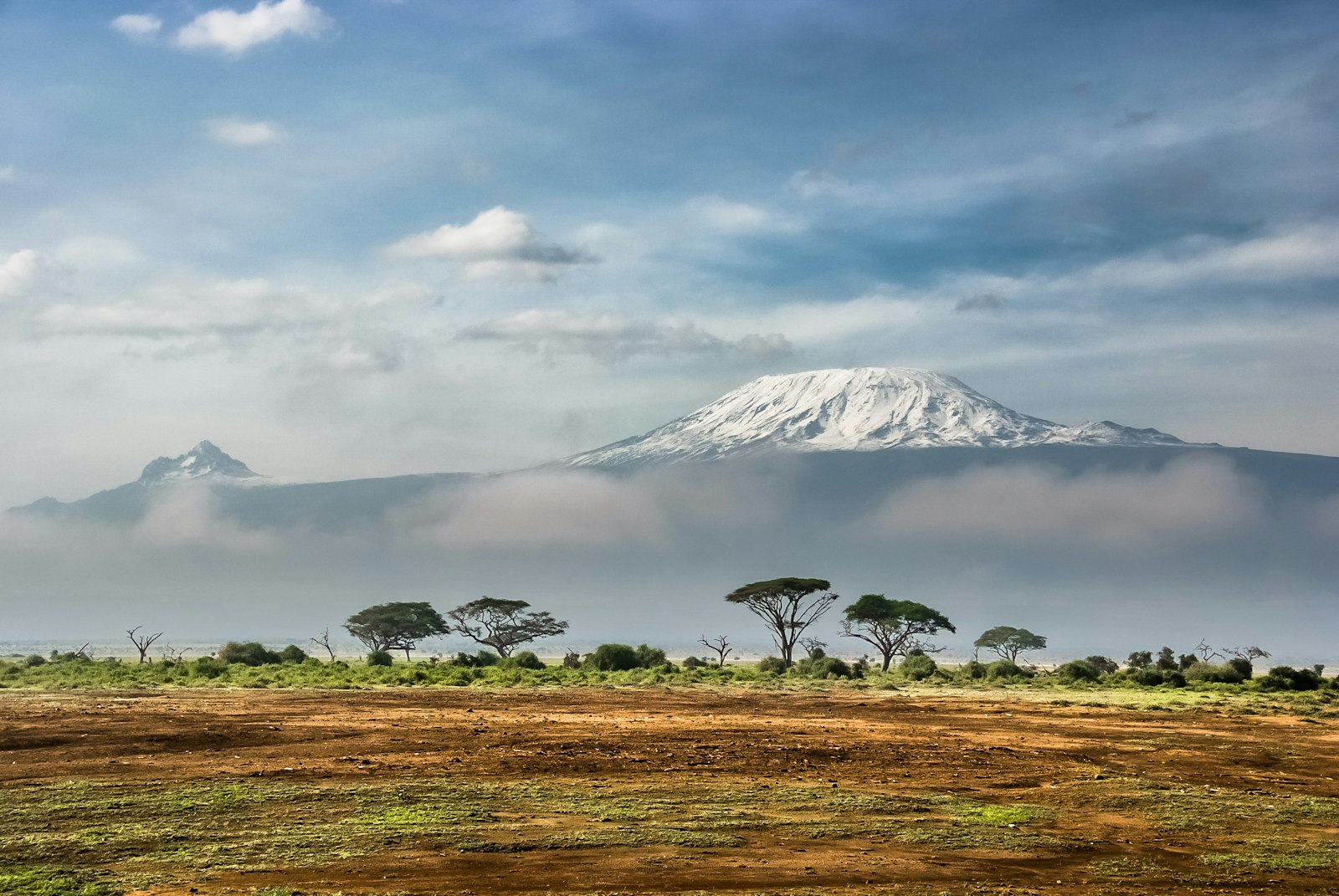
While the migration moves between Tanzania and Kenya, approximately 75% of the journey occurs within Tanzania's borders. The Serengeti offers more space, fewer vehicles, and often better value for money compared to Kenya's Maasai Mara. Additionally, Tanzania provides opportunities to combine your migration safari with other incredible experiences like climbing Kilimanjaro or relaxing on Zanzibar's beaches.
The Great Migration isn't just about witnessing nature's spectacle - it's about understanding the delicate balance of the ecosystem, the challenges of survival, and the raw beauty of the wild African savannah.