Ngorongoro Crater: The Garden of Eden in Africa
The Ngorongoro Crater stands as one of Africa's most remarkable natural wonders. This massive volcanic caldera, formed millions of years ago when a giant volcano exploded and collapsed on itself, creates a unique ecosystem that many consider Africa's "Garden of Eden."
A Geological Marvel
The crater measures approximately 20 kilometers (12 miles) in diameter, covers an area of 260 square kilometers (100 square miles), and has walls rising 600 meters (2,000 feet) from the crater floor. It's the world's largest intact and unfilled volcanic caldera, making it a geological marvel as much as a wildlife haven.
Formation and History
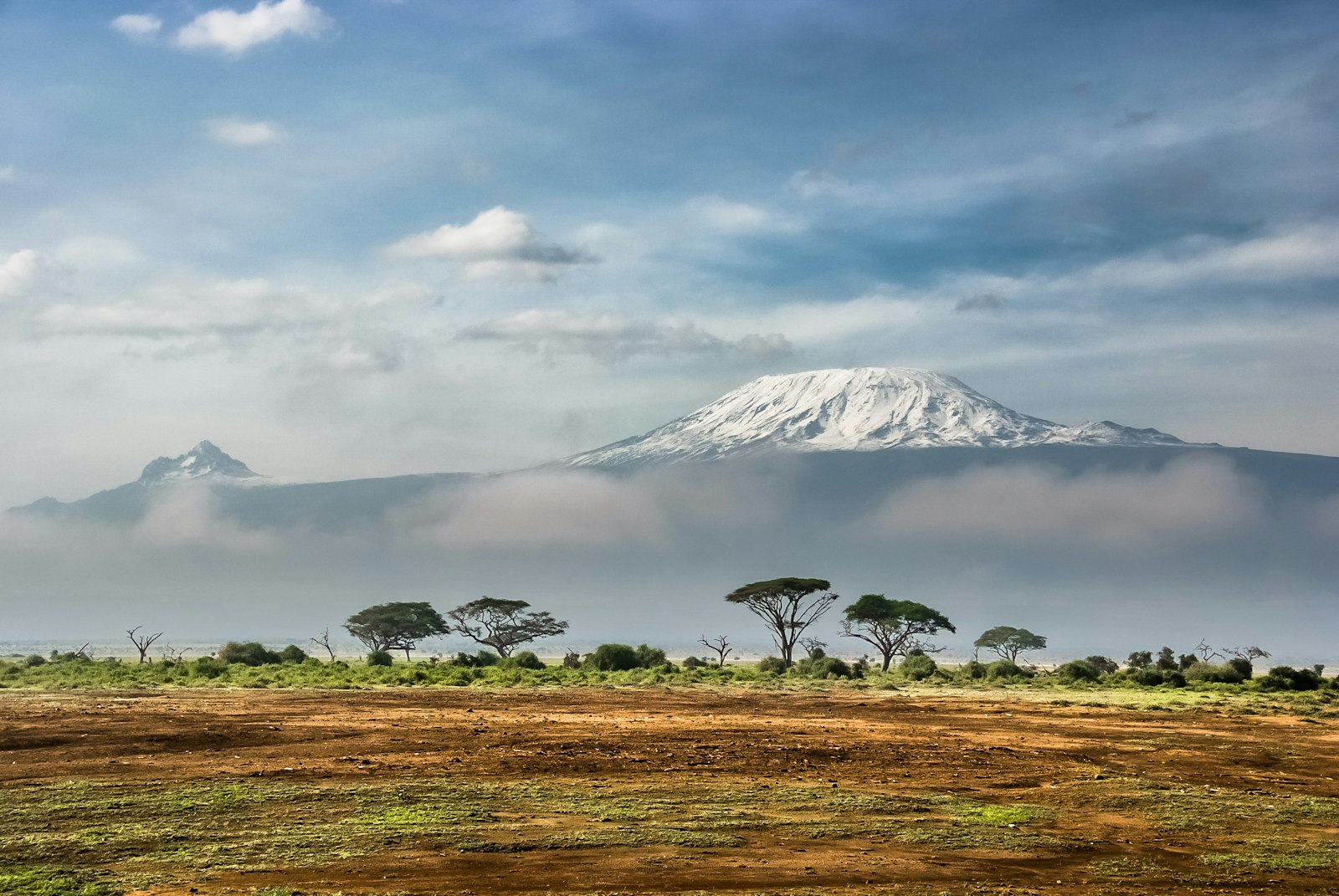
About 2.5 million years ago, a volcano larger than Mount Kilimanjaro erupted with such force that it collapsed in on itself, creating the caldera we see today. The Maasai people, who have lived in harmony with this landscape for centuries, call it the "Cradle of Mankind" due to the significant archaeological discoveries made here.
The Wildlife Paradise
What makes Ngorongoro truly special is its permanent population of approximately 30,000 animals. Unlike most African parks where animals migrate seasonally, the crater's animals remain year-round, thanks to the permanent water sources and abundant grazing.
The Big Five in One Day
Ngorongoro is one of the few places in Africa where you can realistically see all of the Big Five in a single day:
Lions: The crater floor supports one of Africa's highest densities of lions. These prides are unique in their behavior, having adapted to the crater's enclosed environment.
Black Rhinoceros: The crater hosts one of the last remaining populations of the critically endangered black rhino. With approximately 30 individuals, seeing these magnificent creatures is a privilege few other parks can offer.
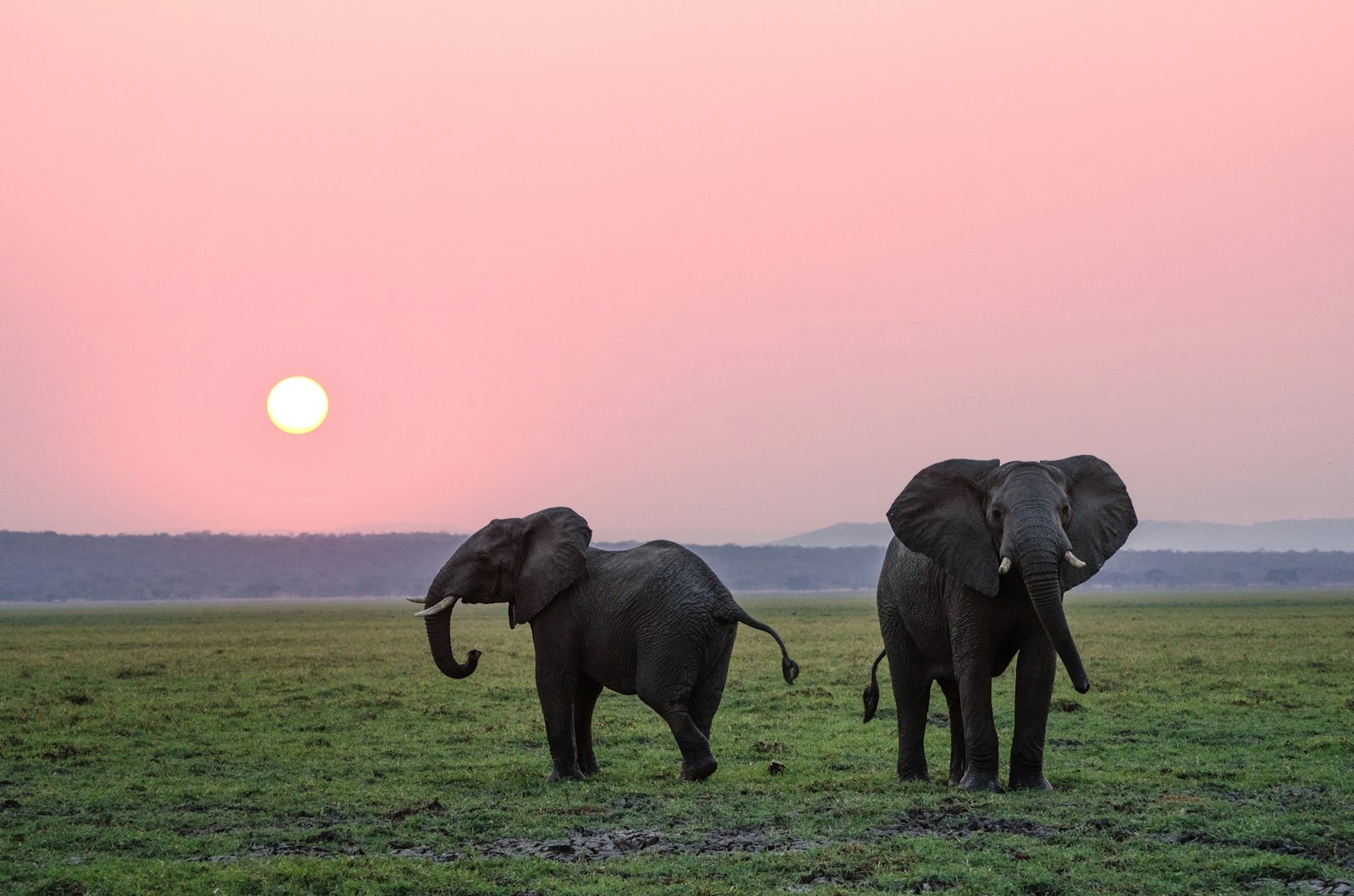
African Elephants: Large bull elephants are commonly seen in the crater, though breeding herds are less frequent. These bulls have some of the largest tusks in Africa.
Cape Buffalo: Massive herds of buffalo dominate the crater floor, often numbering in the hundreds. They're particularly impressive during the dry season when they congregate around water sources.
Leopards: While more elusive, leopards inhabit the crater's forested areas and are occasionally spotted during game drives.
Other Wildlife Highlights
Beyond the Big Five, the crater teems with life:
- Large flocks of flamingos turn Lake Magadi pink
- Huge herds of wildebeest and zebra graze the grasslands
- Spotted hyenas have their largest population density here
- Hippos wallow in the permanent pools
- Over 500 bird species have been recorded
The Maasai Heritage
The Ngorongoro Conservation Area is unique in Tanzania for allowing the Maasai people to live and graze their cattle alongside wildlife. This coexistence represents a successful model of conservation that respects indigenous rights. Visiting Maasai villages offers insights into a traditional lifestyle that has remained largely unchanged for centuries.
Planning Your Visit
Best Time to Visit:
- June to October: Dry season with excellent wildlife viewing
- December to March: Green season with fewer tourists
- Year-round: Wildlife viewing is exceptional any time
What Makes It Special:
- Guaranteed wildlife sightings due to the enclosed environment
- Spectacular crater views from the rim
- Unique ecosystem with diverse habitats
- Rich cultural heritage with Maasai communities
- Archaeological significance with Olduvai Gorge nearby
Practical Tips:
- Game drives are limited to 6 hours in the crater
- Mornings offer the best light for photography
- Bring warm clothing - the crater rim can be cold
- Book accommodations well in advance
- Consider combining with Serengeti for a comprehensive safari
Conservation Challenges
The crater faces modern conservation challenges, including managing tourism impact, protecting the endangered rhino population, and maintaining the delicate balance between Maasai pastoral practices and wildlife conservation. Your visit supports these conservation efforts through park fees and sustainable tourism practices.
Visiting Ngorongoro Crater isn't just a safari - it's stepping into one of the most pristine ecosystems on Earth, where wildlife thrives in abundance and the landscape takes your breath away at every turn.