Tarangire National Park: The Elephant Paradise
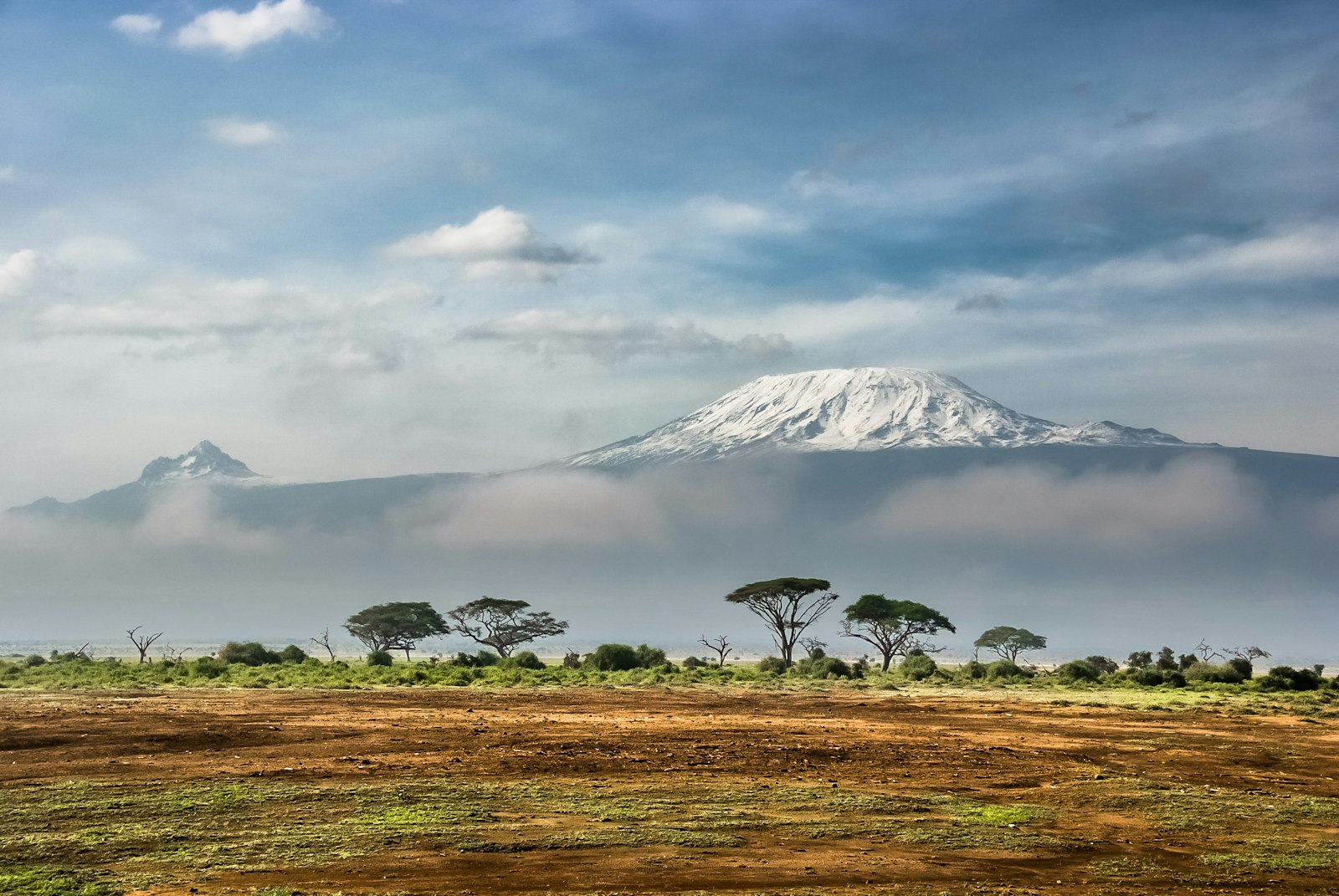
Often overshadowed by its more famous neighbors, Tarangire National Park is one of Tanzania's best-kept secrets. This stunning park offers some of the highest concentrations of elephants in Africa, iconic baobab trees, and a diversity of wildlife that rivals any park in East Africa.
Why Tarangire Stands Out
The Elephant Kingdom
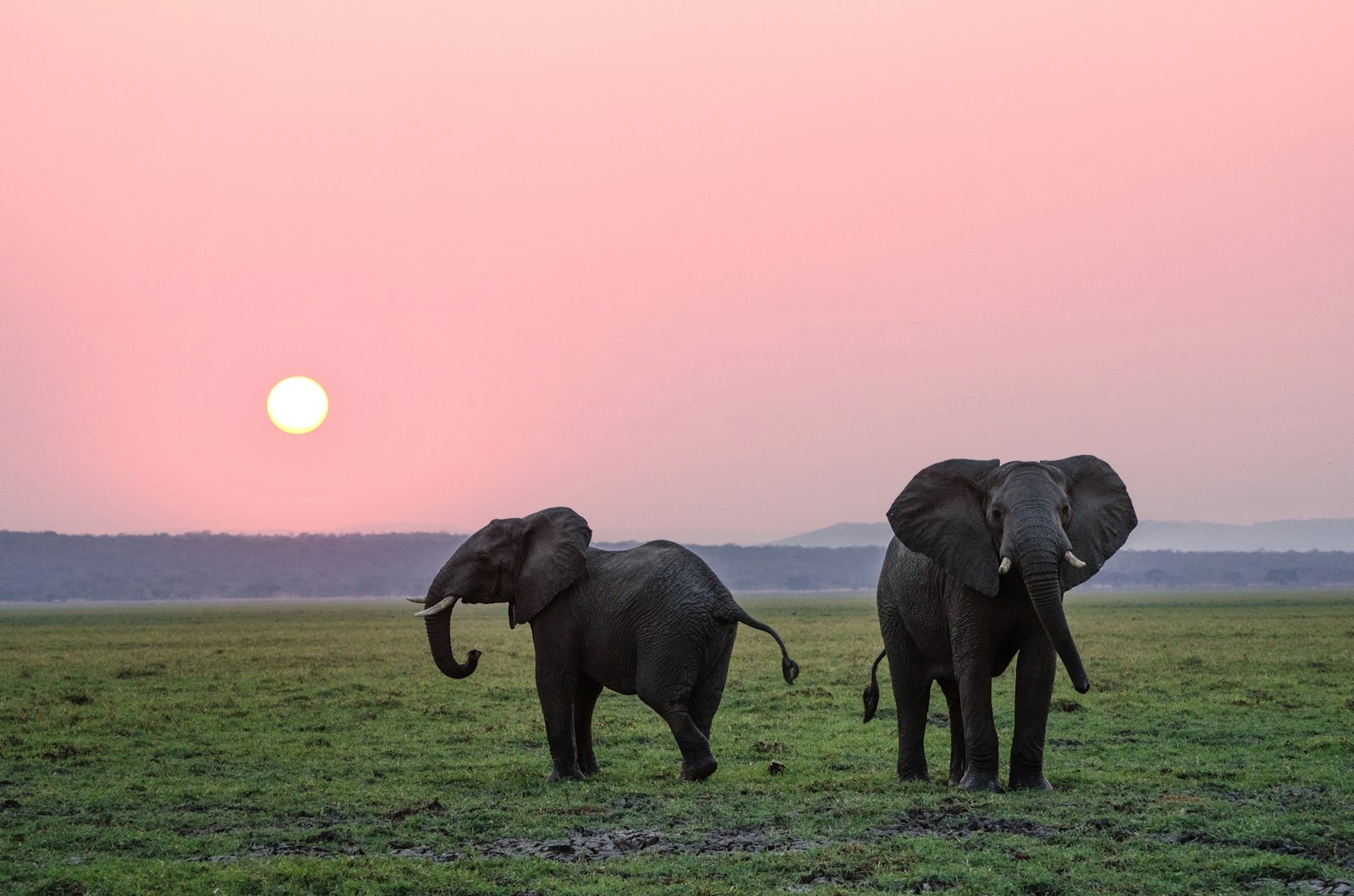
Tarangire is home to one of Africa's largest elephant populations, with herds sometimes numbering 300 individuals or more. The park's elephant population is estimated at over 3,000 during the dry season, making it one of the best places in the world to observe these magnificent creatures.
What makes Tarangire's elephants special:
- Matriarchal societies: Observe complex family dynamics
- Ancient migration routes: Some elephant families have used the same paths for generations
- Unique behaviors: Watch elephants dig for water in dry riverbeds
- Diverse age groups: From tiny calves to ancient bulls
- Photographic opportunities: Close encounters in scenic settings
The Baobab Wonderland
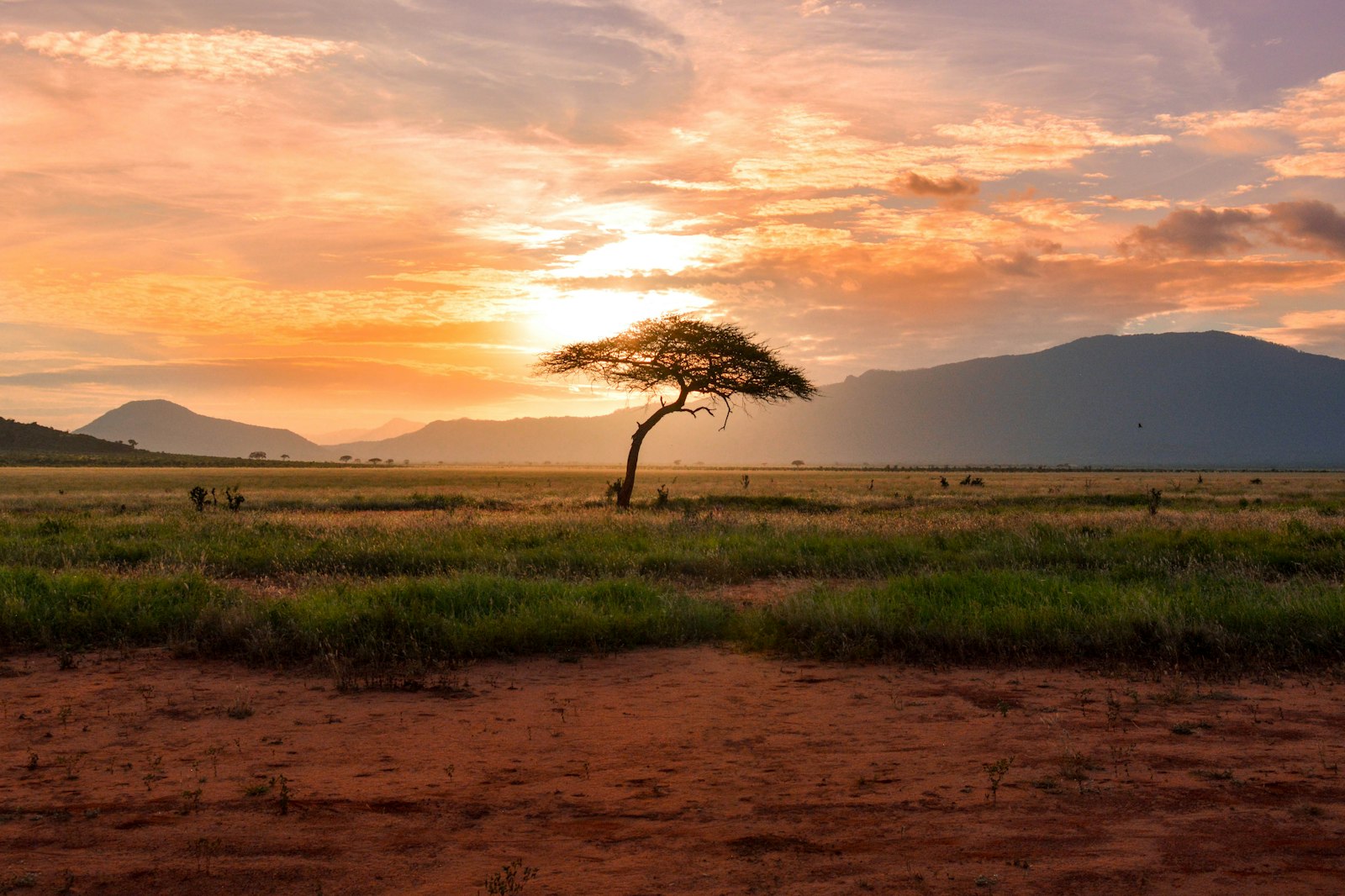
The park's landscape is dominated by ancient baobab trees, some over 1,000 years old. These "upside-down trees" create a surreal, almost otherworldly atmosphere, especially at sunset.
Baobab Facts:
- Can live for 3,000+ years
- Store thousands of liters of water in their trunks
- Provide food, water, and shelter for wildlife
- Some are so large that people have lived inside them
- Sacred to many African cultures
The Seasons of Tarangire
Dry Season (June to October)
The dry season transforms Tarangire into one of Africa's premier wildlife destinations:
Wildlife Concentrations:
- Animals concentrate around the Tarangire River
- Massive elephant herds migrate into the park
- Predator activity increases around water sources
- Easier wildlife viewing as vegetation thins
Highlights:
- Up to 3,000 elephants in the park
- Large lion prides active during the day
- Tree-climbing pythons often visible
- Excellent bird watching with migratory species
Green Season (November to May)
While less popular with tourists, the green season offers unique advantages:
Benefits:
- Fewer tourists, more exclusive experience
- Lush, verdant landscapes
- Newborn animals everywhere
- Excellent bird watching with breeding residents
- Lower accommodation rates
Considerations:
- Animals more dispersed
- Some areas inaccessible due to rain
- Long grass can obscure wildlife
- Some camps close seasonally
Wildlife Beyond Elephants
Predators
Lions: Tarangire's lions are known for their tree-climbing behavior, especially in the southern areas. They also form some of the largest prides in Tanzania.
Leopards: More commonly seen here than in many other parks, often resting in acacia trees during the day.
Cheetahs: The park's open grasslands provide excellent habitat, though sightings are less common than lions.
Wild Dogs: Occasionally spotted, particularly in the southern sections during the dry season.
Herbivores
The park hosts impressive populations of:
- Wildebeest (seasonal migrations)
- Zebra (large permanent populations)
- Buffalo (massive herds)
- Giraffe (particularly abundant)
- Various antelope species including fringe-eared oryx
- Waterbuck and hartebeest
Unique Species
- Fringe-eared Oryx: A species you won't see in northern parks
- Gerenuk: The long-necked "giraffe gazelle"
- Lesser and Greater Kudu: Both species present
- Python: Often spotted in trees near swamps
Birdwatching Paradise
Tarangire is a birder's dream, with over 550 recorded species:
Endemic and Special Species
- Yellow-collared lovebird
- Rufous-tailed weaver
- Ashy starling (endemic to Tanzania)
- Various hornbill species
- Kori bustard (world's heaviest flying bird)
Seasonal Highlights
Wet Season:
- European migrants
- Breeding plumage displays
- Nesting activity everywhere
- Over 300 breeding species
Dry Season:
- Water bird concentrations
- Raptors following prey concentrations
- Easier viewing as foliage thins
Exploring the Park
Main Attractions
Tarangire River: The park's lifeline, permanent water source attracting wildlife year-round.
Silale Swamp: Excellent for bird watching and unique wildlife including pythons.
Poacher's Hide Area: Historical site now offering excellent leopard viewing.
Baobab Circuit: Scenic drive through ancient baobab forests.
Southern Sections: Less visited areas offering exclusive wildlife experiences.
Safari Activities
Game Drives:
- Full-day drives covering different habitats
- Morning drives for predator activity
- Evening drives for magical light
- Private vehicle options available
Walking Safaris:
- Several camps offer guided bush walks
- Experience the ecosystem at ground level
- Learn about smaller creatures and tracking
- Available outside the park in concession areas
Night Drives:
- Only in private concessions
- Spot nocturnal animals like porcupines, civets, and genets
- Experience the bush after dark
- See predators on the hunt
Hot Air Balloon Safaris:
- Sunrise flights over the park
- Bird's eye view of elephant herds
- Champagne breakfast in the bush
- Photographic opportunities from unique angles
Where to Stay
Luxury Options
Tarangire Treetops:
- Treehouses with stunning views
- Swimming pool overlooking wilderness
- Excellent service and cuisine
- Perfect for special occasions
Oliver's Camp:
- Classic safari camp atmosphere
- Walking safaris included
- Intimate setting (10 guests maximum)
- Located in exclusive concession
Mid-Range Choices
Tarangire Sopa Lodge:
- Comfortable rooms with views
- Swimming pool
- Good value for money
- Family-friendly facilities
Maramboi Tented Camp:
- Beautiful setting near lake
- Seasonal flamingos
- Good food and service
- Swimming pool
Budget-Friendly
Public Campsites:
- Basic facilities
- Bring all equipment
- Close to nature
- Very affordable
Zion Campsite:
- Just outside the park
- Basic but clean
- Restaurant available
- Good budget option
Combining Tarangire with Other Parks
The Northern Circuit
Tarangire fits perfectly into northern Tanzania safari itineraries:
Classic Combination (5-7 days):
- 2 days Tarangire
- 2-3 days Serengeti
- 1-2 days Ngorongoro
Extended Safari (8-10 days):
- 2 days Tarangire
- 1 day Lake Manyara
- 3-4 days Serengeti
- 1-2 days Ngorongoro
With Zanzibar
The perfect safari-beach combination:
- 4-5 days northern circuit including Tarangire
- 4-5 days Zanzibar beaches
- Internal flights connect easily
Best Time to Visit
Peak Season (June-October)
Advantages:
- Maximum wildlife concentrations
- Dry weather for comfortable travel
- Best photography conditions
- Reliable wildlife sightings
Considerations:
- Higher prices
- More tourists (though less crowded than Serengeti)
- Accommodation books up early
Green Season (November-May)
Advantages:
- Lower rates (30-50% off)
- Fewer visitors
- Lush landscapes
- Good bird watching
- Newborn animals
Considerations:
- More dispersed wildlife
- Possibility of rain
- Some camps closed
- Longer grass
Conservation and Community
Conservation Efforts
Tarangire faces several conservation challenges:
- Human-wildlife conflict at park boundaries
- Elephant habitat expansion needs
- Climate change impacts
- Poaching prevention (though minimal compared to East African averages)
Community Involvement
Several initiatives work with local Maasai communities:
- Revenue sharing from tourism
- Education programs
- Healthcare initiatives
- Alternative livelihood projects
- Cultural tourism programs
Responsible Tourism
Help protect Tarangire:
- Follow park rules and guide instructions
- Don't litter or disturb wildlife
- Support conservation-minded operators
- Visit Maasai villages through ethical programs
- Consider carbon offsetting for flights
Practical Information
Getting There:
- 118 km from Arusha (2-hour drive)
- 3-4 hours from Ngorongoro
- Light aircraft flights available
Park Fees:
- Adults: $50/day
- Children (5-15): $10/day
- Vehicle: $40/day
- Guide: Mandatory in park vehicle
What to Bring:
- Binoculars for wildlife and birds
- Camera with telephoto lens
- Neutral-colored clothing
- Sun protection
- Insect repellent
- Dust protection for equipment
Tarangire National Park offers an authentic African safari experience without the crowds of more famous parks. Whether you're watching massive elephant herds, searching for tree-climbing lions, or simply enjoying the iconic baobab landscapes, Tarangire provides memories that last a lifetime.