Safari Photography Guide: Capturing Africa's Wildlife
Capturing stunning wildlife photographs on safari requires more than just expensive equipment. Understanding animal behavior, light, composition, and camera settings can transform your safari photos from snapshots to professional-quality images. This comprehensive guide covers everything you need to know.
Essential Equipment
Camera Bodies
What You Need:
- DSLR or mirrorless with fast autofocus
- Good high-ISO performance (for low light)
- Fast burst mode (6+ fps minimum)
- Weather sealing helpful but not essential
Recommended Models:
- Entry Level: Canon EOS Rebel series, Nikon D3500
- Intermediate: Canon 90D, Sony A6600
- Professional: Canon R5, Nikon Z9, Sony A1
Lenses: Your Most Important Investment
The Zoom Telephoto (Essential):
- 100-400mm or 150-600mm range
- Most versatile option
- Covers most safari situations
- Image stabilization crucial
The Wide Angle (Highly Recommended):
- 16-35mm or 24-70mm
- Landscape and environmental shots
- Animals in their habitat
- Creative perspectives
The Prime Telephoto (Optional):
- 300mm f/2.8 or 400mm f/2.8
- Superior image quality
- Better in low light
- Expensive and heavy
Essential Accessories
Must-Haves:
- Extra batteries (at least 3)
- Multiple memory cards (128GB+ total)
- Lens cleaning kit
- Bean bag or window mount
- Lens hood (prevents flare)
Highly Recommended:
- Polarizing filter
- ND filters for landscapes
- Remote shutter release
- Backup camera body
- Rain cover/plastic bags
Optional:
- Teleconverters (1.4x, 2x)
- Flash for night drives
- Gimbal head for large lenses
- Portable hard drive for backup
Camera Settings for Wildlife
The Basics
Shooting Mode:
- Use Aperture Priority (Av/A) for most situations
- Shutter Priority (Tv/S) for action
- Manual (M) when you have time to think
- Avoid Auto mode completely
File Format:
- Shoot RAW for maximum editing flexibility
- RAW + JPEG if you want immediate sharing
- Never shoot JPEG only
Focus Mode:
- Continuous AF (AI Servo/AF-C) for moving subjects
- Single AF for stationary animals
- Back-button focus recommended
Drive Mode:
- High-speed continuous for action
- Single shot for static subjects
- Learn your camera's buffer capacity
Understanding Exposure Settings
ISO:
- Start at base ISO (100-200) in good light
- Don't fear higher ISO - modern cameras handle it well
- ISO 800-1600 often necessary in early/late light
- Accept noise over blur
Aperture:
- Wide open (f/2.8-f/5.6) for blurred backgrounds
- f/8-f/11 for groups or landscapes
- Consider depth of field carefully
- Wider = better in low light
Shutter Speed:
- Minimum 1/500s for stationary subjects
- 1/1000s+ for walking animals
- 1/2000s+ for running/flying subjects
- 1/focal length rule for static subjects
Metering and Exposure
Metering Mode:
- Evaluative/Matrix for most situations
- Spot metering for backlit subjects
- Check histogram regularly
- Slight underexposure better than overexposure
Exposure Compensation:
- +1/3 to +2/3 for light-colored animals
- -1/3 to -2/3 for dark animals
- Adjust based on background brightness
- Always check your histogram
The Golden Hours
Dawn Light (Best for Photography)
30 minutes before sunrise to 2 hours after:
- Soft, warm, directional light
- Long shadows add dimension
- Animals most active
- Cool ambient temperature
Settings:
- ISO 800-3200 in early light
- Wide apertures (f/4-f/5.6)
- Adjust as light increases
Midday (Challenging but Manageable)
10 AM to 3 PM:
- Harsh overhead light
- Strong contrast
- Animals often inactive
- Time for landscapes and resting shots
Strategies:
- Expose for highlights
- Convert to black and white
- Focus on patterns and details
- Capture behavior over beauty
Dusk Light (Second Best)
2 hours before sunset to 30 minutes after:
- Similar quality to dawn
- Warm, dramatic light
- Animals becoming active again
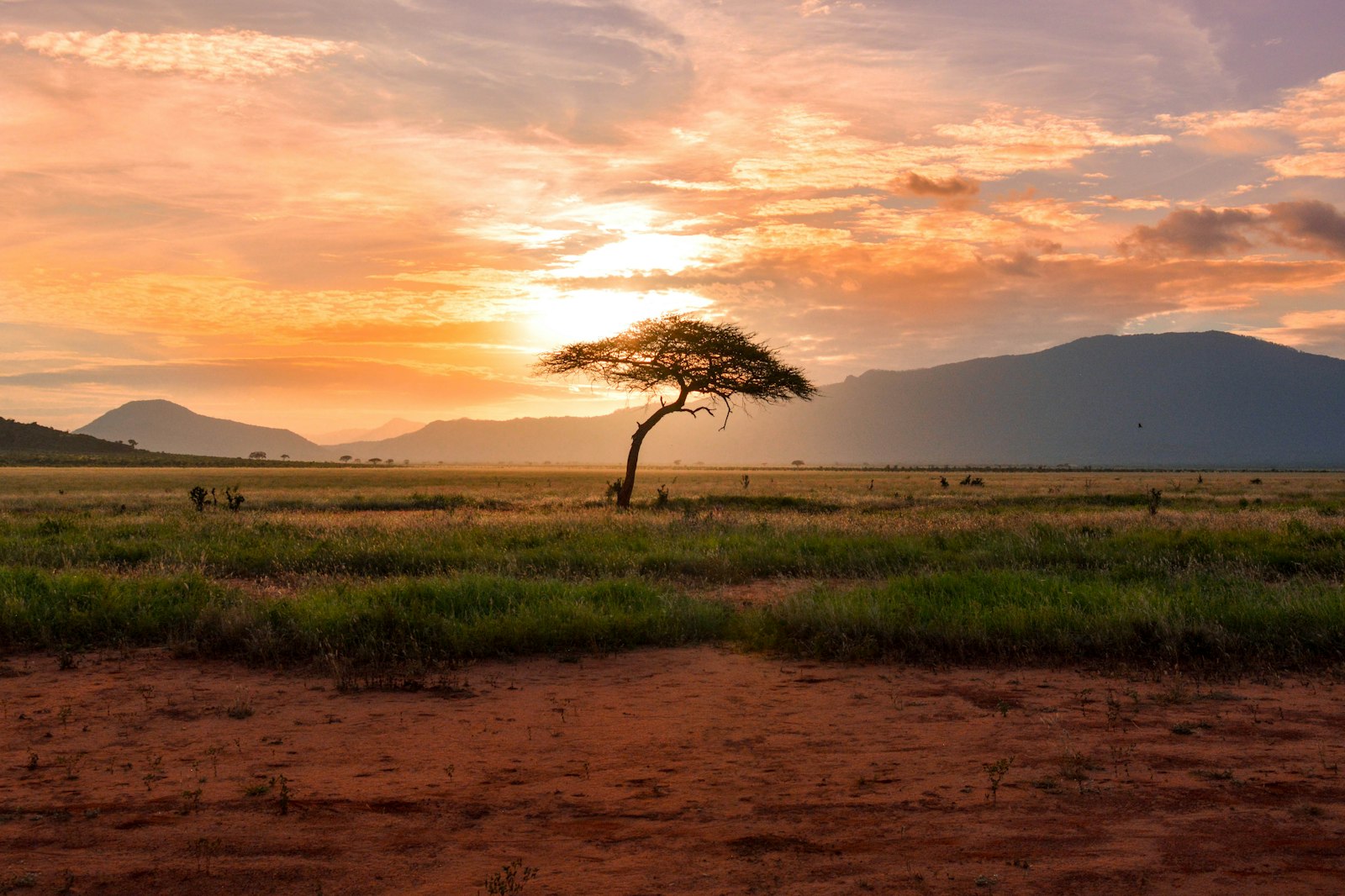
- Unique silhouette opportunities
Settings:
- Increase ISO as light fades
- Open up aperture
- Watch for motion blur
- Capture silhouettes deliberately
Composition Techniques
The Rule of Thirds
How to Apply:
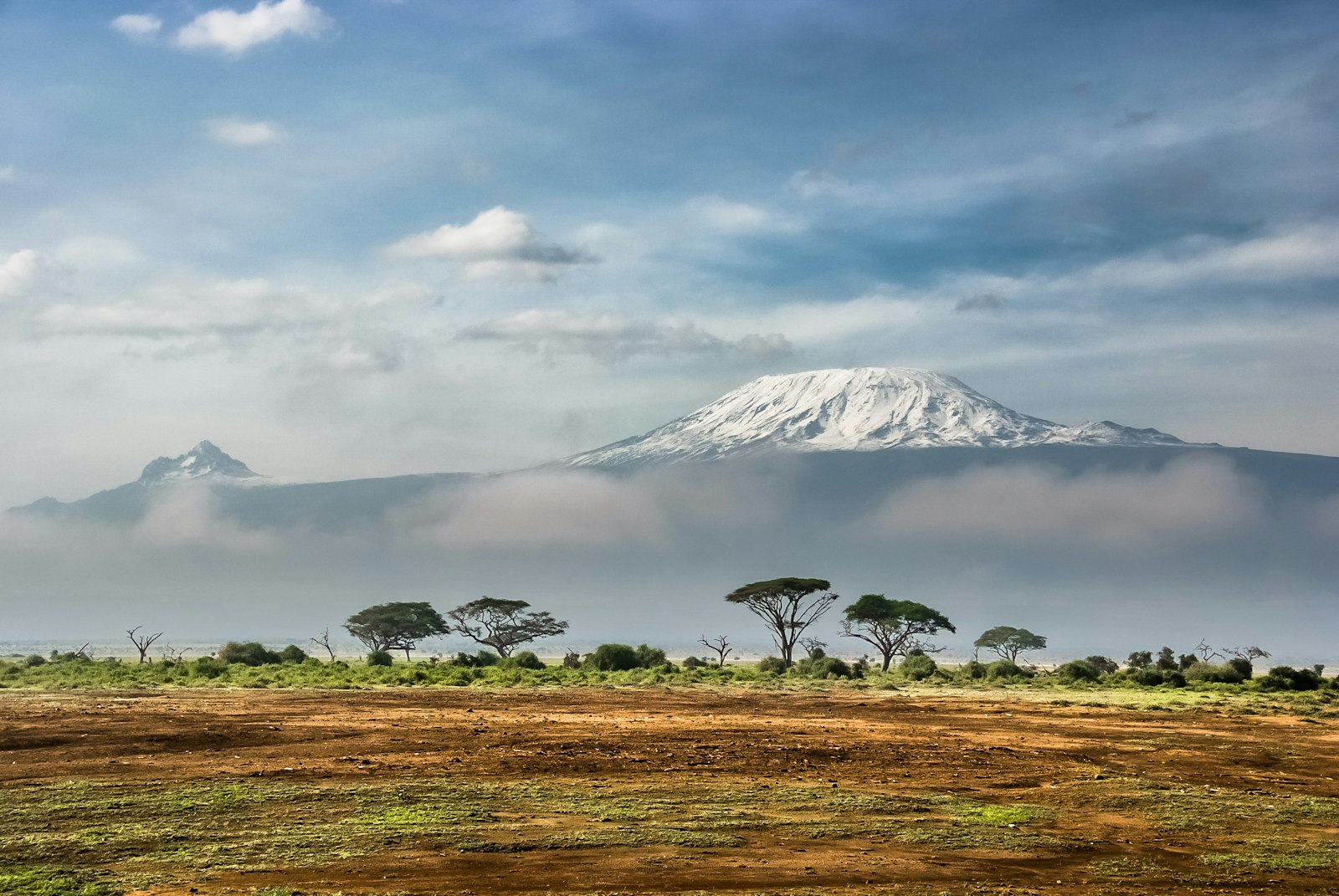
- Place horizon on upper or lower third
- Position subject at intersection points
- Leave space in direction of movement
- Create more dynamic images
Fill the Frame
When to Use:
- Powerful portraits
- Highlighting details
- Eliminating distracting backgrounds
- Creating intimate images
Tips:
- Get closer or use longer lens
- Focus on eyes
- Include relevant context only
- Watch your backgrounds
Environmental Portraits
The Approach:
- Show animal in its habitat
- Use wider lenses
- Include contextual elements
- Tell a story about the place
Leading Lines
Creating Visual Flow:
- Roads, rivers, treelines
- Animal's gaze direction
- Movement paths
- Natural landscape features
Eye Level Perspective
Why It Matters:
- More engaging than overhead shots
- Creates connection with subject
- Shows animal's viewpoint
- Requires patience and positioning
In Safari Vehicles:
- Sit low in your seat
- Use bean bag on door
- Wait for vehicle positioning
- Accept height limitations
Behavior and Anticipation
Reading Animal Behavior
Pre-Action Signals:
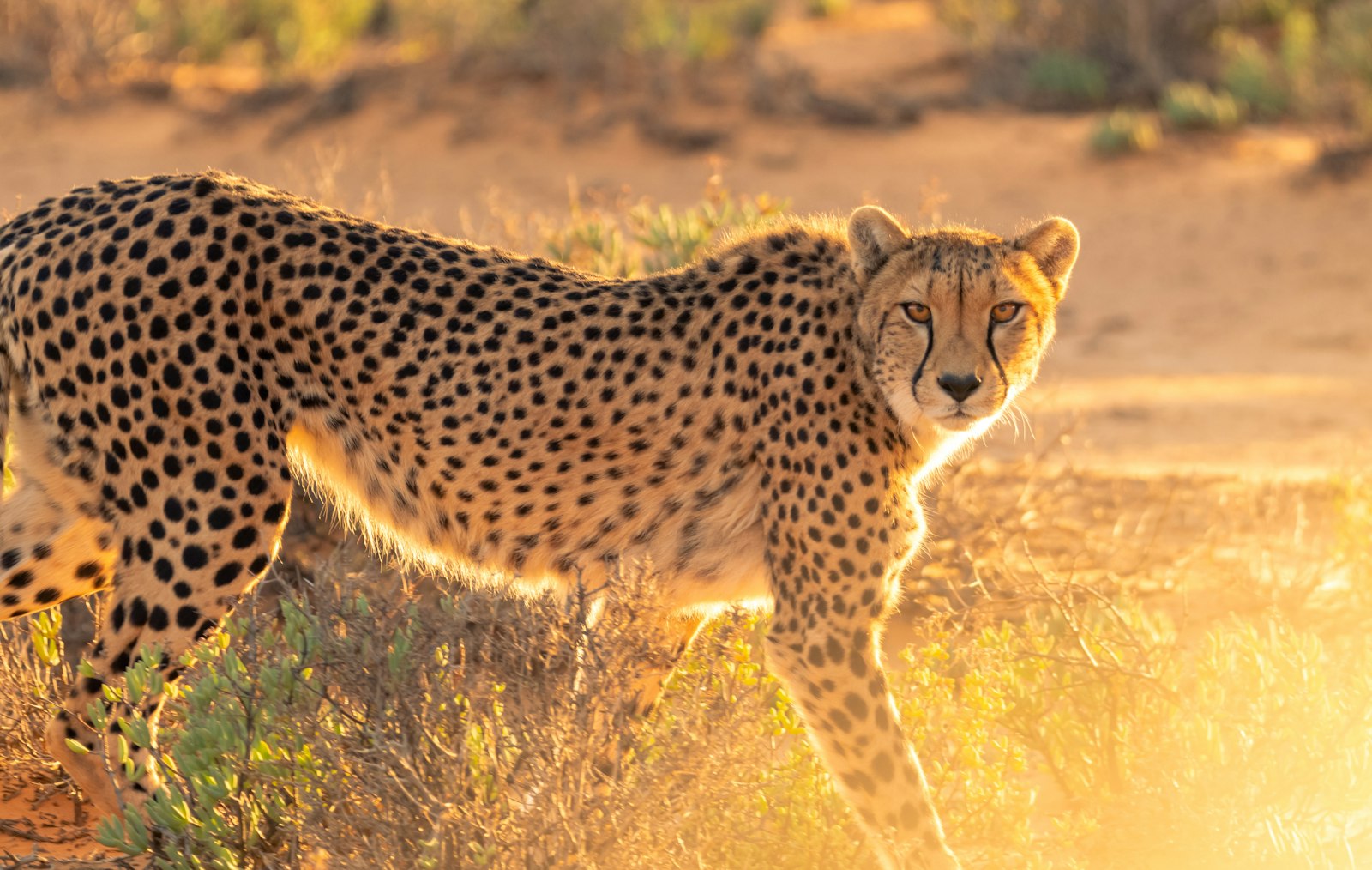
- Cheetah: Focused stare, elevated position
- Lion: Waking, stretching, intense focus
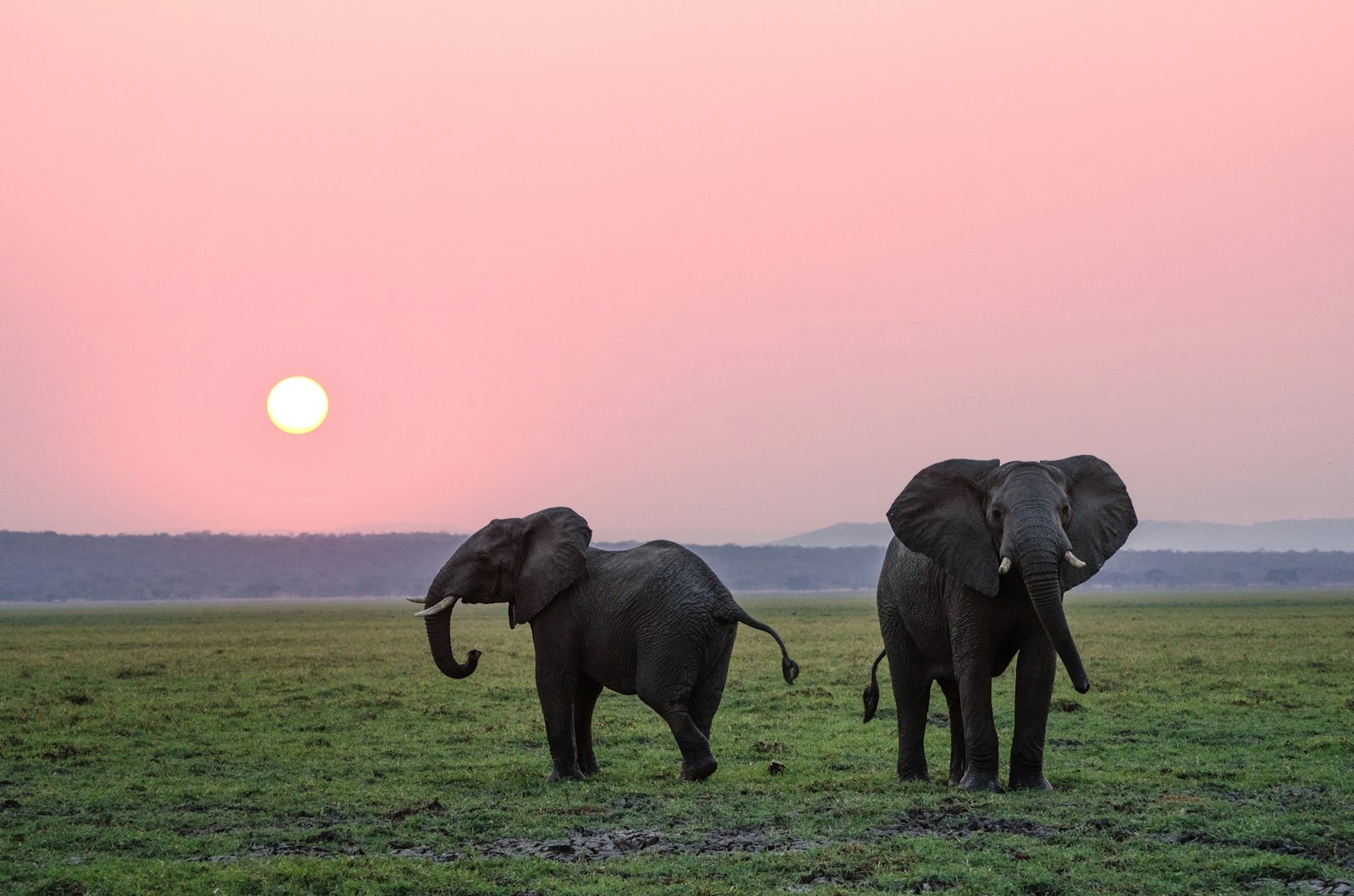
- Elephants: Ears spread, trunk raised
- Predators: Crouching, tail positions
Anticipation is Key:
- Watch body language
- Position for potential action
- Have camera ready
- Don't drop camera after first shot
The Decisive Moment
What to Look For:
- Eye contact with camera
- Interaction between animals
- Peak action moments
- Unique or unusual behavior
Continuous Shooting:
- Shoot in bursts for action
- But don't spray and pray
- Select moments deliberately
- Review and adjust
Specific Scenarios
Predator Hunts
Preparation:
- Set highest burst mode
- Increase shutter speed (1/2000s+)
- Continuous autofocus
- Follow focus on hunter
During the Hunt:
- Track the predator
- Anticipate direction
- Shoot continuously
- Don't watch through viewfinder only
River Crossings
Settings:
- Fast shutter speed (1/1000s minimum)
- Continuous AF
- High burst mode
- Moderate aperture (f/7.1-f/9)
Strategy:
- Position for multiple crossings
- Focus on near-side animals
- Capture before, during, after
- Vary composition and framing
Birds in Flight
Camera Settings:
- Shutter speed 1/2000s+ minimum
- Wide aperture for shutter speed
- Continuous AF with tracking
- High ISO if needed
Technique:
- Start tracking before shooting
- Pan smoothly with bird
- Shoot in bursts
- Practice constantly
Landscapes
Best Times:
- Golden hours
- Stormy weather
- After rain
- Unique light conditions
Settings:
- f/8-f/16 for depth
- Low ISO for quality
- Tripod if possible (check rules)
- HDR bracketing for high contrast
Vehicle-Based Photography
Positioning
Best Practices:
- Communicate with driver
- Position for light direction
- Consider background
- Maintain stable position
Bean Bag Use:
- Essential for stability
- Fill locally or bring cover
- Position on window frame
- Adjust for camera height
Working with Others
Vehicle Etiquette:
- Take turns at best positions
- Don't block others
- Communicate intentions
- Share sightings
Post-Processing Essentials
In Lightroom/Camera Raw
Basic Adjustments:
- Exposure correction
- White balance tweaking
- Contrast enhancement
- Shadow/highlight recovery
Advanced Techniques:
- Selective sharpening
- Noise reduction
- Vignetting for focus
- Color grading
Don't Overdo:
- Maintain natural look
- Preserve detail
- Avoid excessive clarity
- Respect the reality
Organization
File Management:
- Rate images immediately
- Delete obvious failures
- Backup regularly
- Use descriptive keywords
Workflow:
- Import and backup
- Initial cull (keep 20-30%)
- Detailed selection (final 5-10%)
- Processing
- Export for various uses
Common Mistakes to Avoid
Technical Errors
- Too slow shutter speed → Motion blur
- Wrong focus point → Blurry subjects
- Clipped highlights → Lost detail
- Center-focused composition → Static images
- Dirty sensor/lens → Spots in images
Behavioral Mistakes
- Disturbing animals for better shots
- Shooting through glass without permission
- Standing in vehicle against rules
- Missing moments while chimping (reviewing)
- Not backing up files regularly
Ethics and Responsibility
Respect Wildlife
- Never harass animals for photos
- Maintain minimum distances
- Don't use calls or sounds to attract
- Report unethical behavior
- Put welfare above photography
Follow Park Rules
- Stay in vehicle when required
- Respect time limits
- Don't off-road for photos
- Leave no trace
- Support conservation through fees
Cultural Sensitivity
- Ask permission for people photos
- Pay for cultural photography when required
- Respect local customs
- Don't exploit for images
- Give back to communities
Advanced Tips
Backlighting
- Expose for highlights and bring up shadows in post
- Use rim lighting for dramatic effect
- Create silhouettes deliberately
- Add exposure compensation
Weather Opportunities
- Rain creates dramatic atmosphere
- Dust adds moodiness
- Storms provide unique light
- Protect equipment but capture the moment
Unique Perspectives
- Very low angles when possible
- Through-the-grass shots
- Reflection photography
- Abstract details and patterns
Gear Protection
Dust Management
- Change lenses infrequently
- Use lens caps always
- Clean sensor before trip
- Bring cleaning supplies
- Protect bag openings
Weather Protection
- Rain covers for cameras
- Plastic bags as backup
- Dry storage in vehicle
- Silica gel packets
- Let equipment acclimatize
Final Thoughts
Great safari photography combines technical skill, artistic vision, patience, and respect for wildlife. Don't become so focused on photography that you miss experiencing the moment. Sometimes the best thing to do is put the camera down and simply watch in wonder.
Remember:
- Technical mastery comes with practice
- Composition separates good from great
- Light is everything
- Patience yields rewards
- Ethics must guide all decisions
- Experience matters more than equipment
Most importantly, enjoy your safari. The photographs are wonderful mementos, but the memories and experiences are irreplaceable. Shoot mindfully, but don't forget to look up from your viewfinder and simply marvel at the incredible wildlife around you.